Chimney Liners
Chimney liners are one of the most important safety components in a chimney system. A liner helps contain heat, smoke, and combustion gases,
protects surrounding materials, and supports proper draft. When a liner is damaged, deteriorated, or mismatched to the appliance,
you can run into safety concerns, performance issues, and expensive long-term damage.
Kickin Ash Chimney Pros provides inspection-based guidance and repair planning for chimney liner issues. We always start with a Level 1 inspection
before estimates so we’re not guessing about condition. If the system needs deeper evaluation, we’ll explain why and what we’re looking to confirm.
Our goal is simple: clear answers, the safest recommendation, and a plan that actually solves the problem.
Call (803) 904‑0280Request an Inspection
Level 1 inspection before estimates • Transparent pricing • All work is warranted
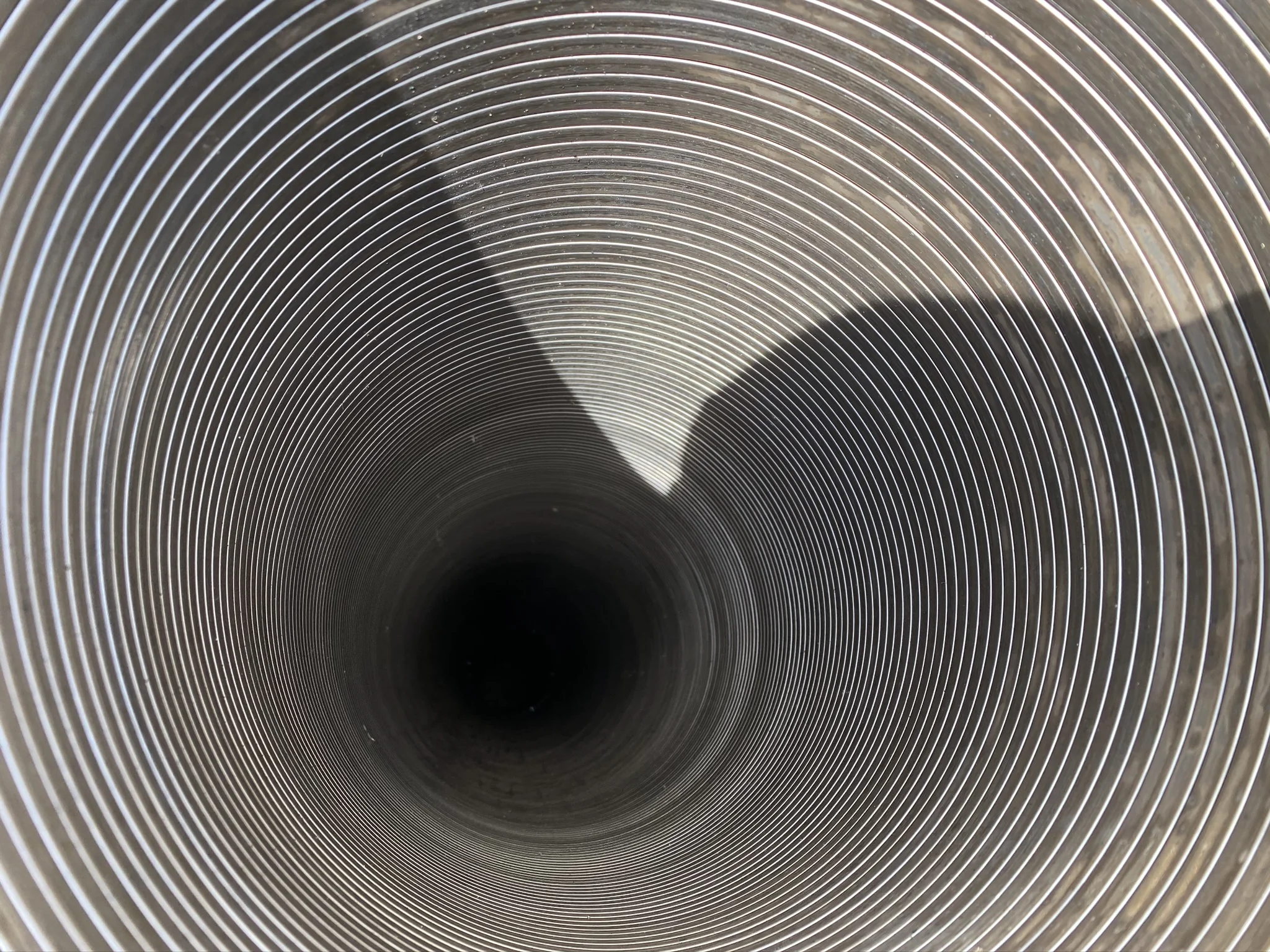
A safe liner helps keep heat and gases where they belong—inside the venting pathway and out of the home.
What a Chimney Liner Does
Think of a liner as the “working surface” of the chimney. It’s the pathway that exhaust travels through, and it plays a big role in
both safety and performance. A proper liner helps:
- Contain heat and combustion byproducts so they’re vented safely out of the home
- Support draft so smoke and exhaust gases move in the right direction
- Protect surrounding masonry and materials from heat and corrosive byproducts
- Improve system reliability by reducing turbulence and restriction where possible
Start With an Inspection
If you suspect liner issues—or you’re being told you need a liner—start with an inspection so you can make decisions based on what’s actually there.
Phone: (803) 904‑0280
Email: kickinashchimneypros@gmail.com
Common Signs of Chimney Liner Problems
Some liner issues are obvious; others are discovered during routine cleaning and inspection. If you’re seeing symptoms like these,
it’s worth getting the system checked.
- Persistent smoke issues or poor draft that cleaning doesn’t solve
- Strong odors, especially during humid weather
- Water-related deterioration (rust, staining, dampness) affecting interior components
- Visible damage, cracking, or missing sections in accessible areas
- Home purchase/sale situations where a higher level of inspection is recommended
- Appliance changes or upgrades that require correct venting and sizing
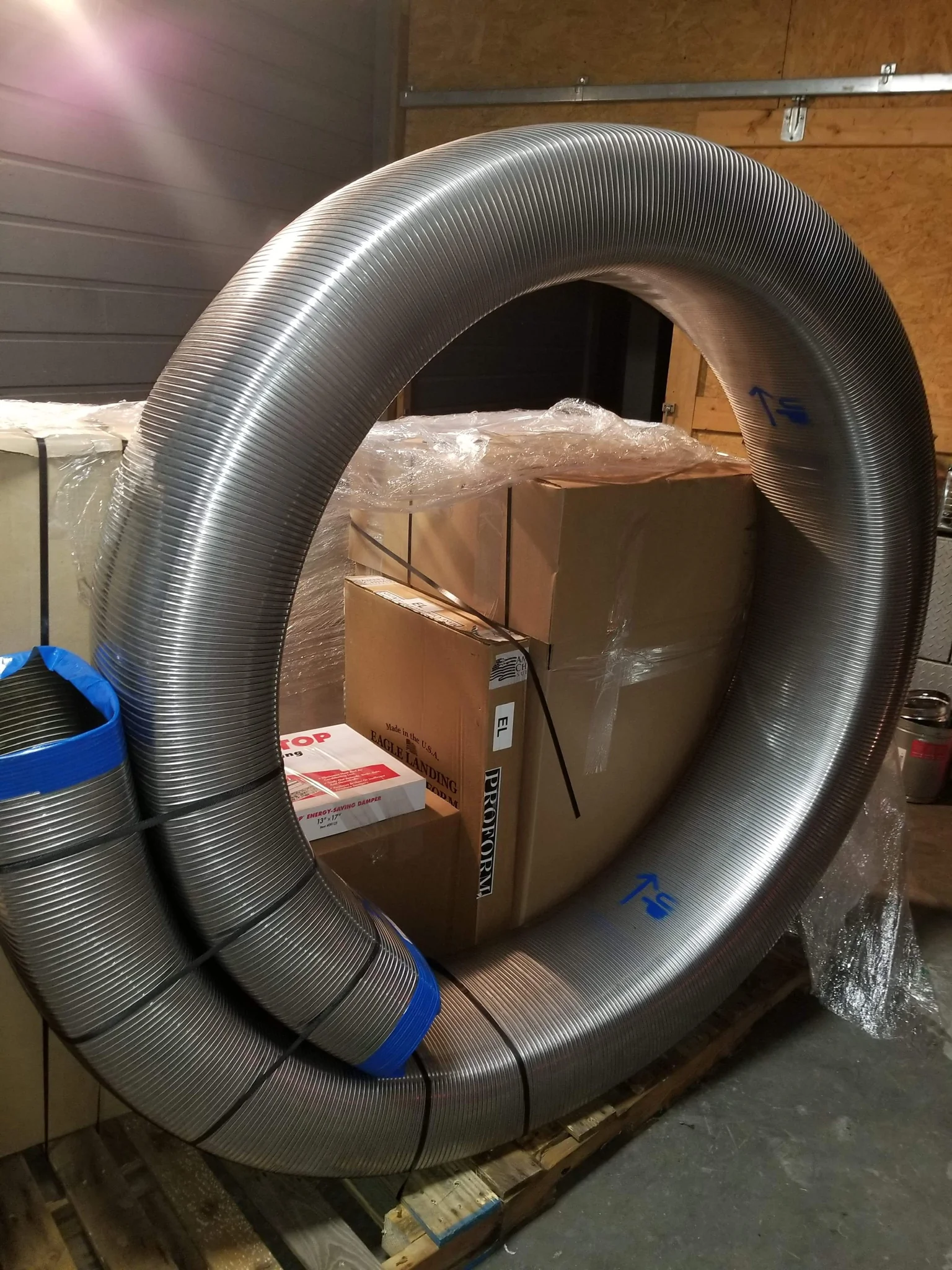
Inspection helps identify liner condition and whether draft performance issues are tied to venting problems.
Why Liner Issues Happen
Chimney liners can deteriorate over time due to heat cycles, moisture, corrosive byproducts, and long-term wear.
Some problems are age-related. Others come from water intrusion, repeated creosote accumulation, or a venting setup that’s not matched to the appliance.
The right fix depends on what’s actually failing—not assumptions.

Damage and deterioration can affect both safety and performance—repair planning starts with confirming what’s happening and why.
Water Is a Big Multiplier
Water intrusion often accelerates liner and chimney deterioration. If the top of the chimney is allowing water in,
you can see rust, staining, odors, and faster breakdown of masonry and components.
- Leaks that return after “sealing” often have multiple entry points
- Wet masonry tends to deteriorate faster and can impact liner condition
- Stopping water entry can prevent repeat repairs
Inspection First, Then the Right Recommendation
We always start with a Level 1 inspection before estimates. That gives a baseline view of accessible areas and obvious concerns.
If the system needs deeper evaluation, we’ll explain what level is appropriate and what it helps confirm.
If you’re due for cleaning and general inspection, that’s often the best starting point because it gives a baseline before deciding on repairs.
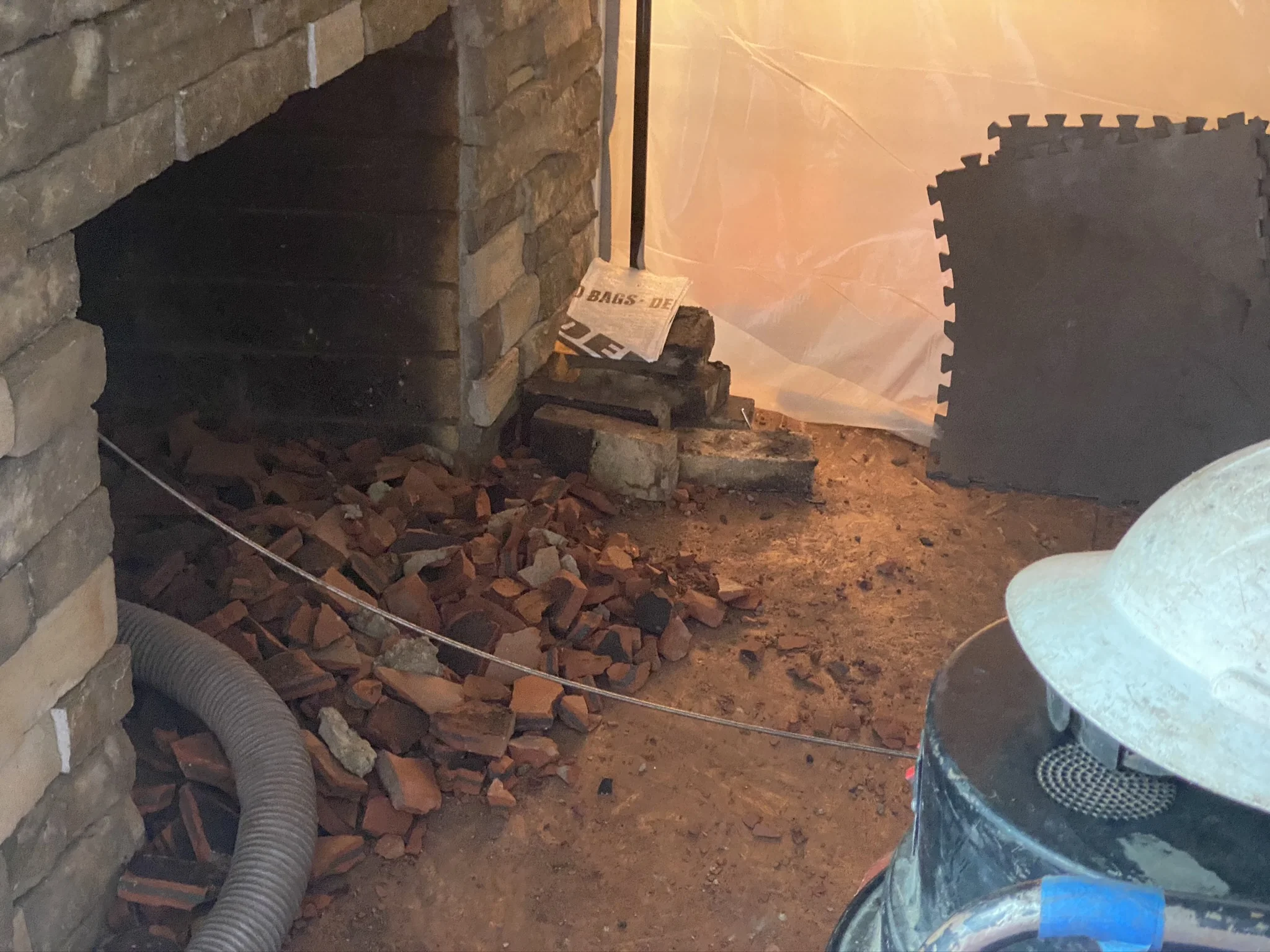
Starting with inspection keeps recommendations grounded in what’s actually happening—no guessing.
Common Liner Options (Explained in Plain Language)
Liner “options” depend on the system type, chimney construction, and appliance. The goal is safe venting that drafts correctly.
Here are common categories homeowners hear about. The right choice depends on the inspection findings and the appliance requirements.
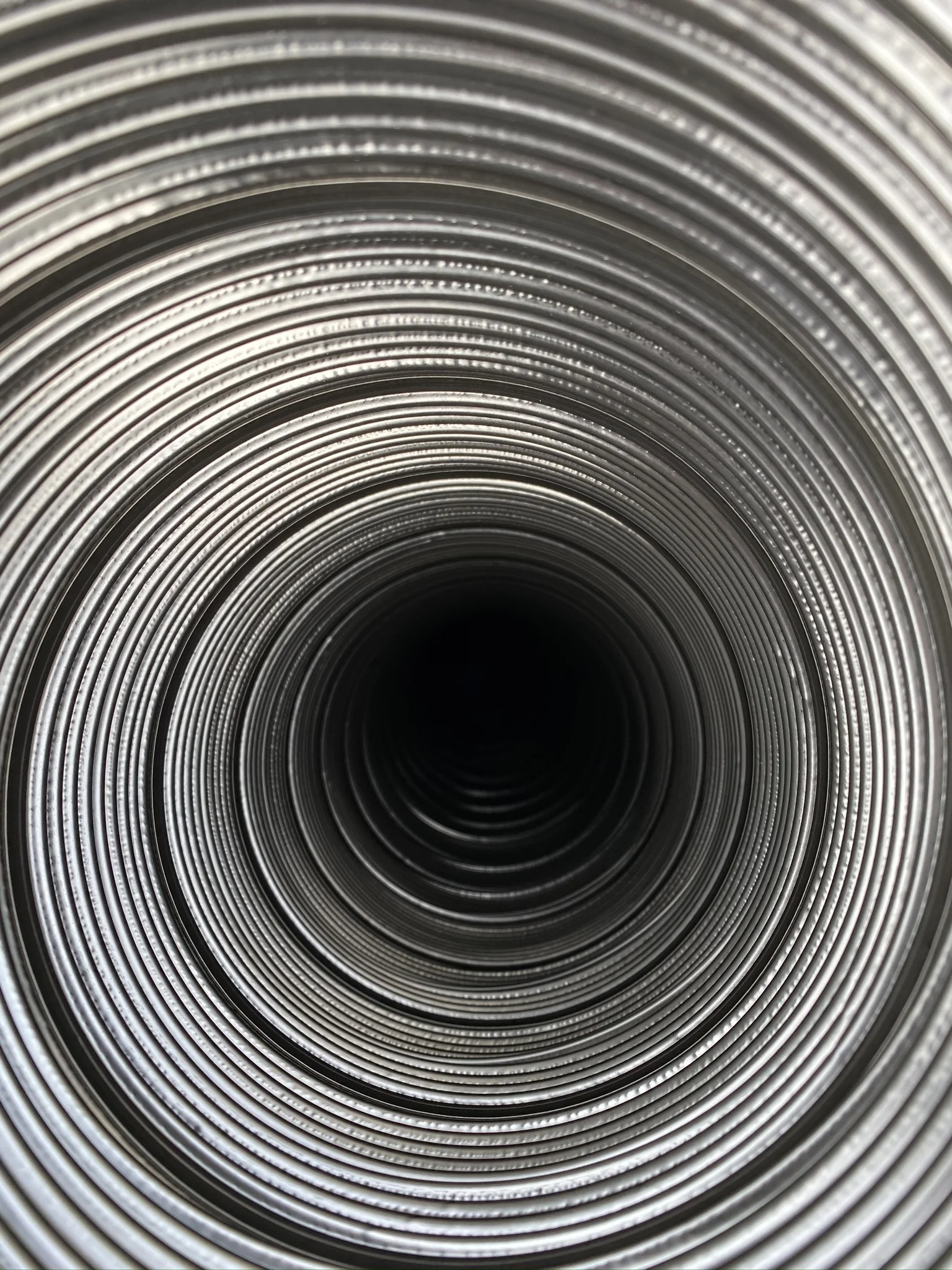
Stainless options are common in many venting scenarios, especially when upgrades or safety concerns are involved.
Sizing and Draft Performance
Draft performance is affected by more than “is there a liner.” Sizing, configuration, restrictions, and condition can all impact how the system burns.
A properly planned repair helps the system draft more reliably and reduces recurring smoke issues.
- Correct venting pathway for the appliance type
- Reduced restriction where possible
- Clear plan for follow-up repairs if needed
When Liner Issues Connect to Bigger Repairs
Sometimes liner problems aren’t isolated. If water damage or structural deterioration is advanced, other repairs may be needed at the same time.
The goal is to solve the root cause and prevent repeat failures.
- Masonry chimney repairs for deterioration and stability issues
- Chimney rebuilding when structure is beyond spot repair
- Chimney caps for top-of-chimney protection and water management
Ready to Get Clear Answers?
If you’ve been told you need a liner (or you suspect venting issues), start with an inspection so you know what’s actually going on.
Service Areas
Use the links below to view local service-area pages and choose the closest town page.
Don’t see your town? Call and ask.
Chimney Liner FAQs
Quick answers to common questions about chimney liners, safety, and venting performance.
Do I always need a liner replacement if there’s an issue?
Not always. The right solution depends on the condition and the safety/performance impact. An inspection is the best starting point to confirm what’s needed.
Do you offer free estimates?
We always start with a Level 1 inspection first. That way recommendations and pricing are based on what’s actually there—not guesses.
Can water damage affect liners?
Yes. Water intrusion can accelerate deterioration and create repeat problems. Fixing the source of leaks can be just as important as addressing liner condition.
What if bigger repairs are needed?
If repairs like masonry restoration or rebuilding are needed, we’ll show you what we found and explain options clearly with a plan that prevents repeat failures.
Ready to Get Your Chimney Liner Checked?
Call now to schedule an inspection and get clear answers about chimney liner condition, venting safety, and repair options.
You’ll get clean work, clear explanations, and workmanship that’s warranted.
Call (803) 904‑0280Request Service
Transparent pricing • Workmanship warranted • Insured service