Chase Covers
Chase covers protect prefab chimney chases from water intrusion, rust, and repeat leak damage.
If you have a metal “box-style” chimney chase (common on many homes), the chase cover is the lid at the top that sheds water away.
When that cover rusts out, warps, or fits poorly, water can pour into the chase and create staining, odors, corrosion, and ongoing leaks.
Kickin Ash Chimney Pros inspects first and then recommends the right solution—whether that’s replacement, better fit and sealing,
or addressing related issues like caps and water management. We start with inspection before estimates, explain what we find in plain language,
and all work is warranted.
Call (803) 904‑0280Request Service
Inspection before estimates • Transparent pricing • Workmanship warranted
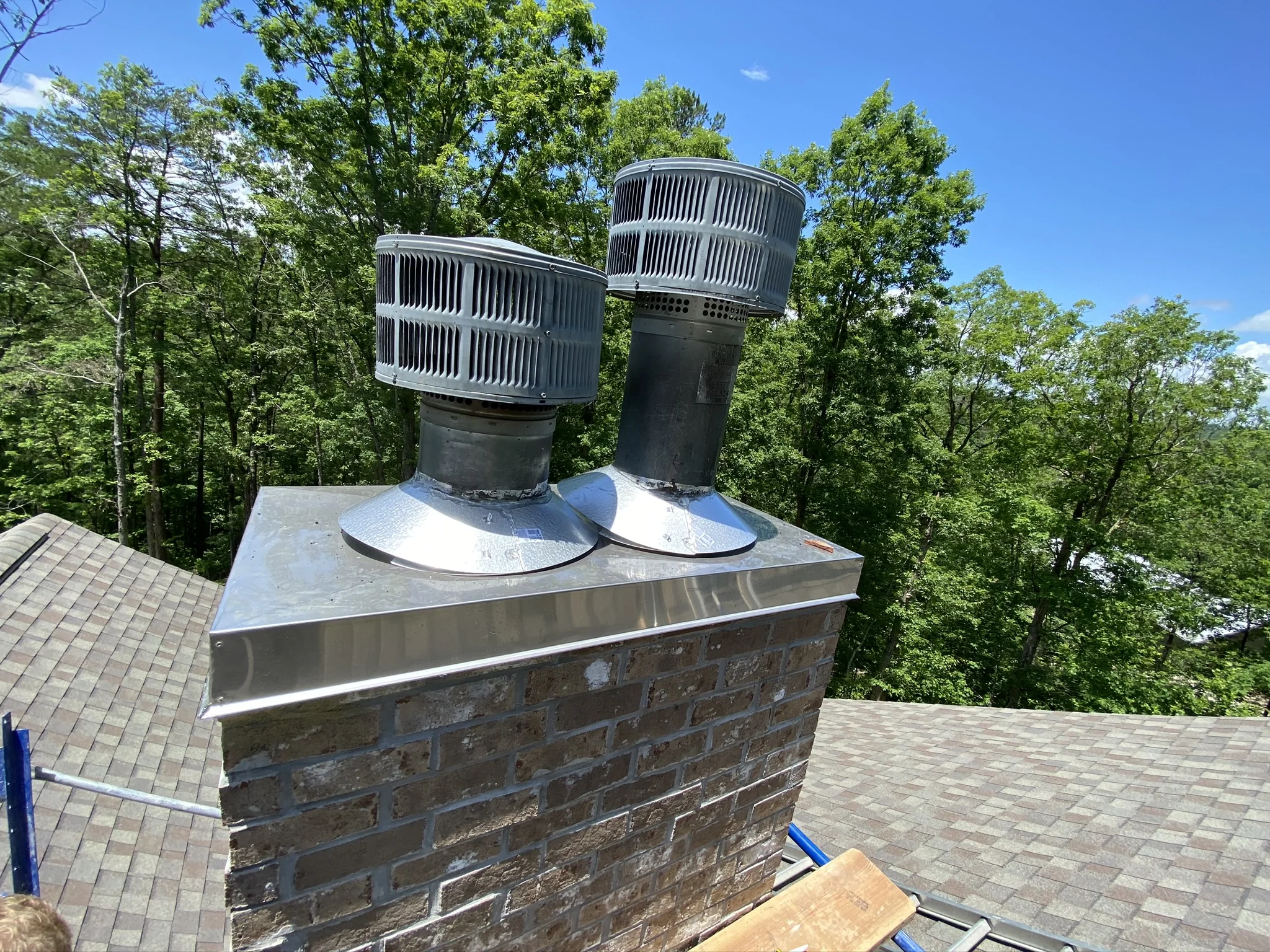
A properly fitted chase cover sheds water and helps prevent repeat leaks and rust damage.
What Is a Chase Cover?
A chase cover is the top “lid” that covers a prefab chimney chase. It’s designed to shed rain away from the chase structure and protect
the venting pathway below. Think of it like a roof for the chase. When it fails, water enters the chase and can create a chain reaction:
corrosion, interior staining, odors, damaged components, and recurring leaks.
- Prefabs commonly use chase covers (metal or fabricated covers at the top of the chase)
- The cover should shed water away from seams and vulnerable openings
- Good fit matters—a poorly sized cover can trap water or allow wind-driven rain to enter
- Rust is a red flag—once rust opens holes, leaks often accelerate fast
Talk to a Chimney Pro
If you suspect chase cover failure—or you’re seeing stains or odors after rain—call and we’ll recommend the right next step.
Phone: (803) 904‑0280
Email: kickinashchimneypros@gmail.com
Common Signs Your Chase Cover Is Failing
Chase cover problems often show up as “mystery leaks” because the water enters at the top and travels before it appears inside.
If you see any of the signs below, it’s worth inspecting before the damage spreads.
- Rust spots, pinholes, warping, or visible deterioration on the chase cover
- Water stains on ceilings/walls near the chimney after rain
- Musty odors or damp smells that worsen after storms
- Rusting components inside the firebox area (dampers, metal parts)
- Repeating “leak repairs” that keep coming back
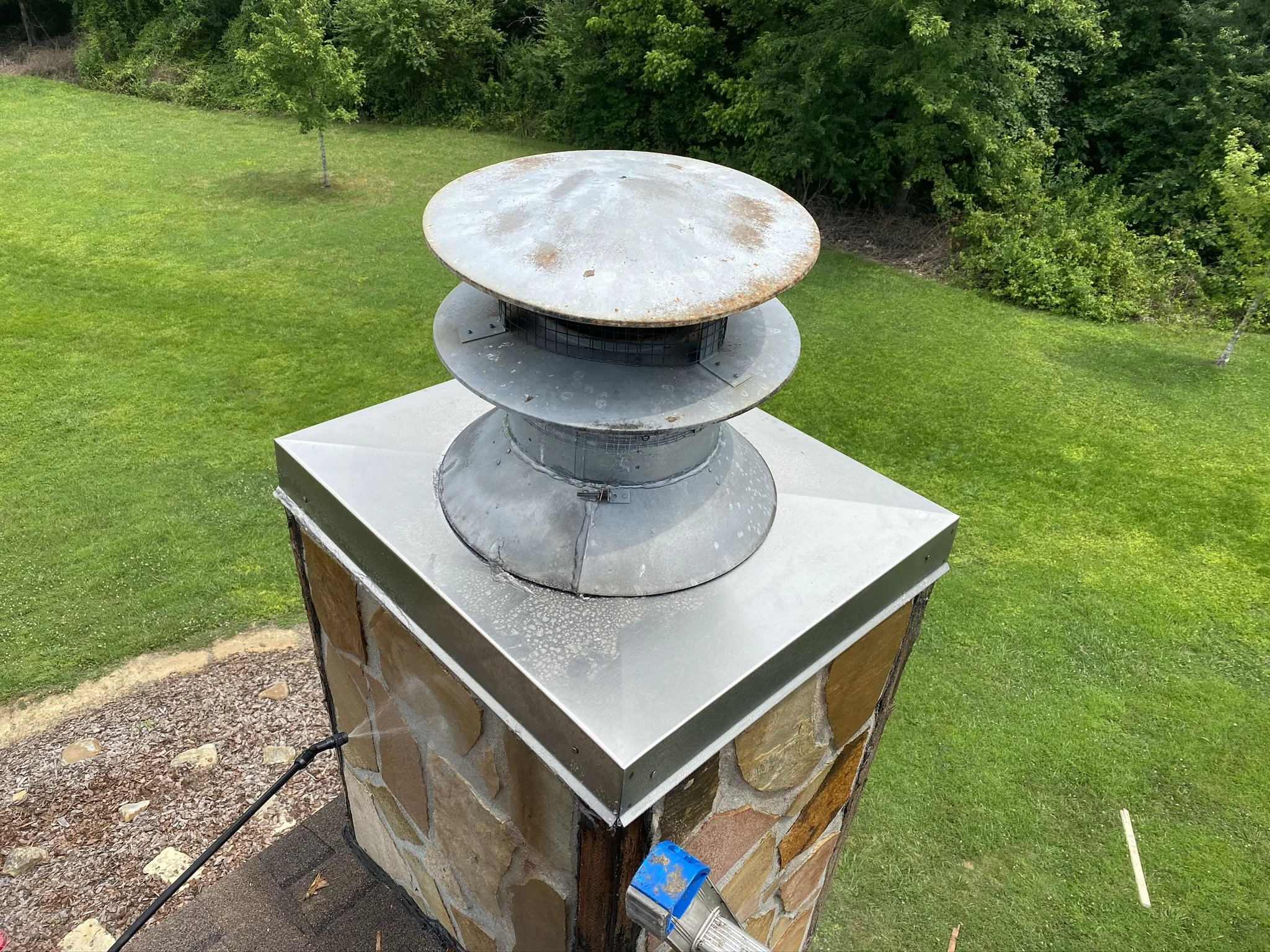
Rusted covers often fail quickly once pinholes form—replacement can stop repeat leaks.
Why Chase Covers Cause So Many Chimney Leaks
Chase covers are exposed to constant sun, rain, and temperature swings. Over time, cheaper materials rust, seams fail,
and improper slope or fit can trap water. Once water gets into the chase, it can damage more than the cover—it can affect the chase structure,
create interior staining, and accelerate corrosion and deterioration.
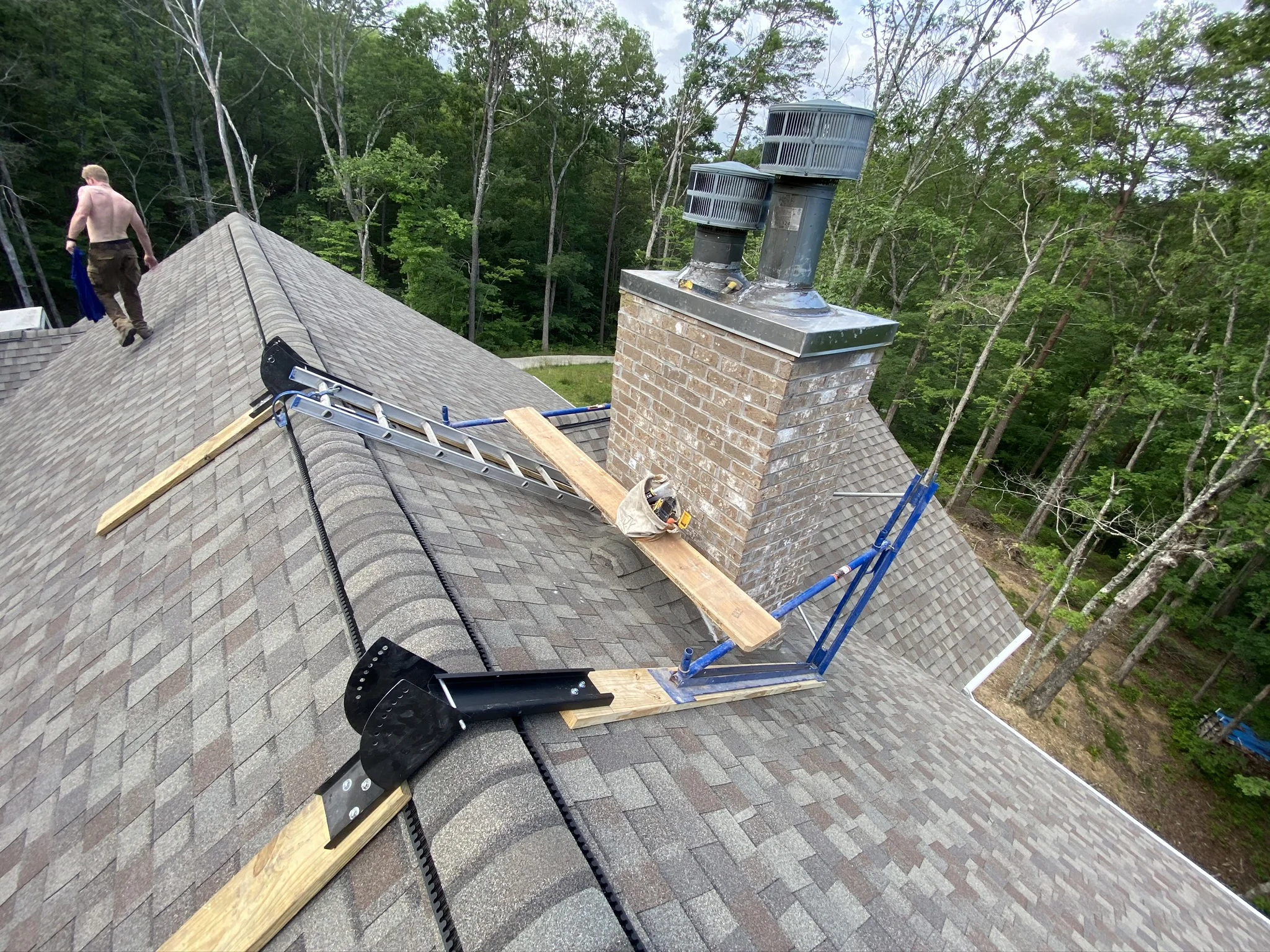
When water enters the chase, damage can spread—stopping the entry point protects the whole system.
Inspection First = No Guessing
We start with inspection before estimates so we can confirm the true leak source. Many leak issues have more than one contributor
(cover fit, cap condition, crown/transition details, or other water pathways).
- Cover condition, slope, seams, and fit
- Signs of saturation or corrosion inside the chase
- Other top-of-chimney protection needs
- Clear “must fix” vs “nice to improve” guidance
What a Good Chase Cover Replacement Looks Like
A good chase cover replacement isn’t just “a piece of metal on top.” Fit, slope, drip edges, and sealing details matter.
The goal is to shed water away, resist rust, and avoid gaps that let wind-driven rain enter.
- Proper slope to shed water instead of pooling
- Correct fit to reduce gaps and prevent wind-driven rain entry
- Drip edge / water shedding details so water doesn’t run into seams
- Durable materials appropriate for long-term exposure
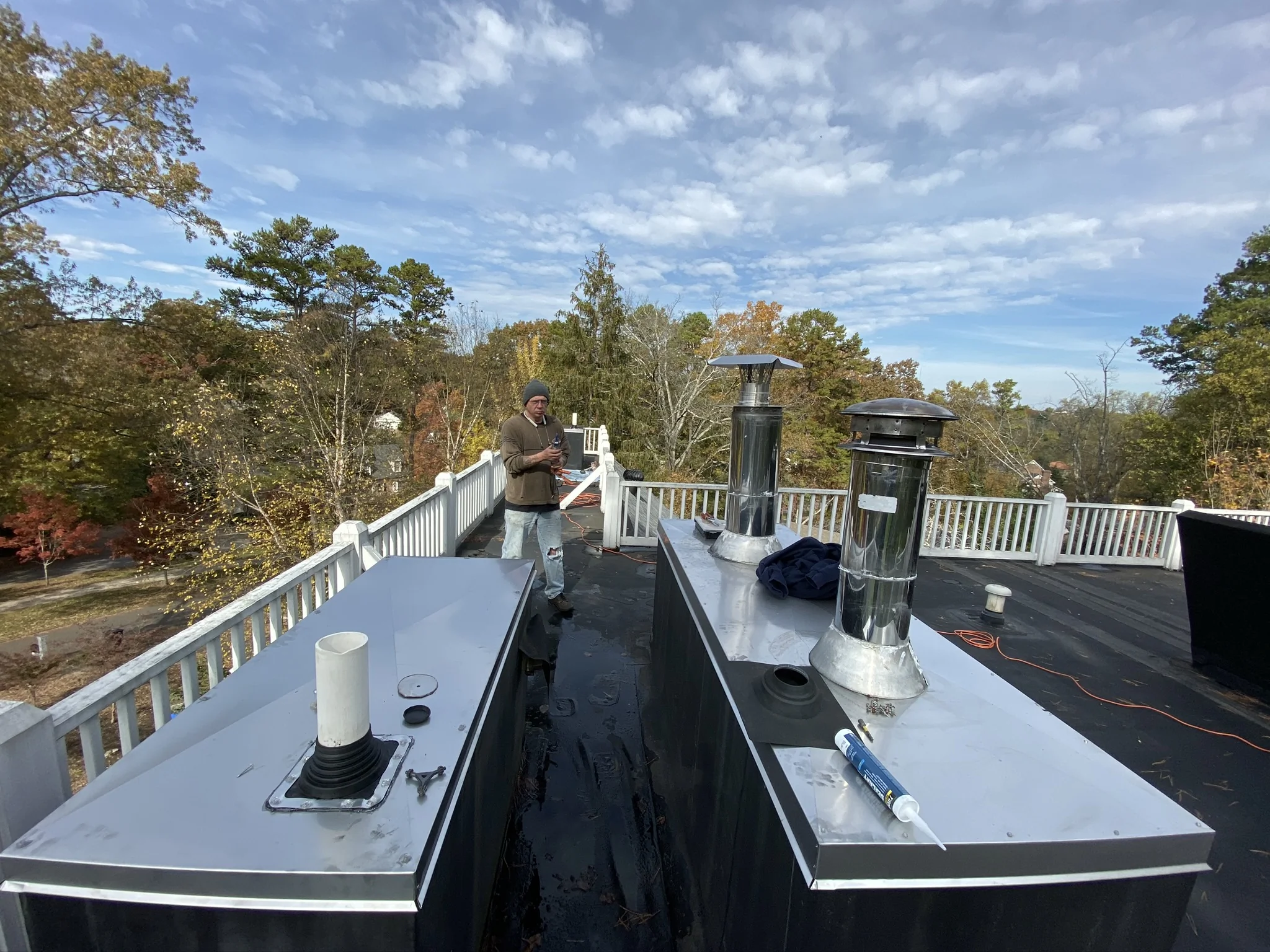
Fit and drip-edge details are what keep water from finding its way back into the chase.
How Chase Covers Relate to Caps and Other Protection
Chase covers protect the chase top, but the system may also need caps or other protection depending on configuration.
If you’re not sure what applies, start with inspection and we’ll explain it clearly.
Chimney Caps
Caps help reduce direct rain entry and keep debris and animals out of the flue.
Flue Caps
Flue caps are designed to protect the flue opening while allowing proper venting.
Custom & Copper Options
For unique chimneys or premium durability/appearance, custom or copper options may be the right fit.
Service Areas
Use the links below to view local service-area pages and choose the closest town page.
Don’t see your town? Call and ask.
Chase Cover FAQs
Quick answers to common questions about chase covers and prefab chimney leak prevention.