Flue Caps
Flue caps help protect the flue opening from rain, animals, and debris while still allowing proper venting.
A missing or poorly fitted cap can lead to nesting, blockages, odors, draft problems, and water entry that accelerates wear and damage over time.
If you’ve had birds or squirrels in the chimney, you’re getting repeat leaks, or you want better top-of-chimney protection, a properly selected flue cap is often the starting point.
Kickin Ash Chimney Pros installs flue caps with an inspection-first approach. We start with inspection before estimates so we can confirm the chimney type,
flue configuration, and any related issues (leaks, crown problems, chase cover failure on prefab chases, or masonry deterioration).
Then we recommend the cap style that fits correctly and solves the real problem.
Call (803) 904‑0280Request Service
Inspection before estimates • Proper fit and venting • Workmanship warranted
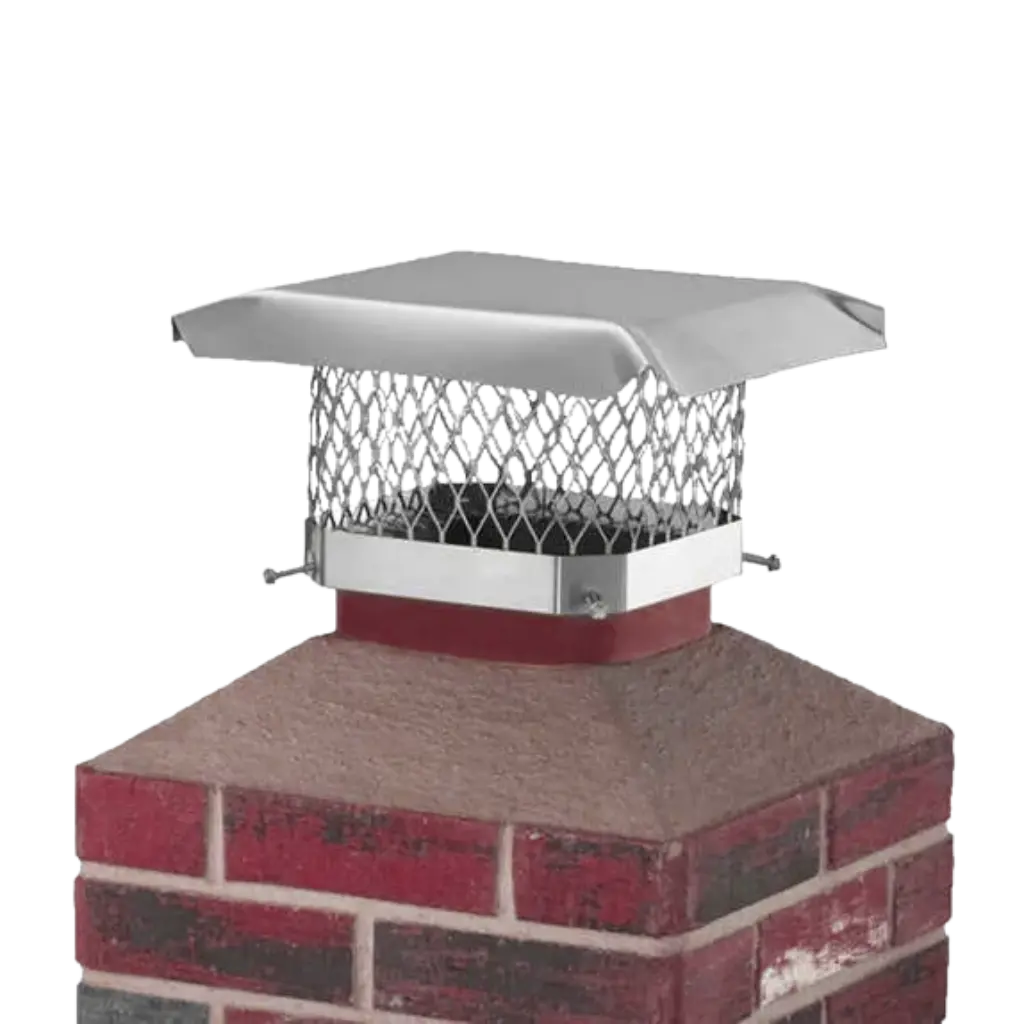
The right flue cap helps manage water entry, keeps animals out, and protects the venting opening without choking draft.
What Flue Caps Do (In Plain Language)
A flue cap sits at the termination of the flue and protects the opening. The best caps do three things well:
keep unwanted stuff out, reduce direct rain entry, and still let the chimney vent the way it’s supposed to.
- Animal protection: helps prevent birds, squirrels, and other animals from nesting inside.
- Debris control: reduces leaves and debris that can restrict airflow and create smoke problems.
- Water management: reduces direct rain entry that causes odors, rust, staining, and deterioration.
- Draft-friendly design: protects the opening without restricting venting.
Talk to a Chimney Pro
If you’re not sure whether you need a flue cap, chase cover, or a custom cap solution, call and describe what you have and what issues you’re seeing.
Phone: (803) 904‑0280
Email: kickinashchimneypros@gmail.com
Signs You Need a Flue Cap (or Need to Replace One)
Flue cap problems often show up as annoying symptoms that repeat—odors, debris, animal noise, or water issues after rain.
If you’re noticing any of these, it’s worth getting the top inspected.
- Birds/squirrels/animal noise in or near the chimney
- Leaves or debris falling into the firebox
- Strong odors that worsen after storms or in humid weather
- Rusting components (dampers, metal parts) or water in the firebox after rain
- Visible damage, loose fit, rattling, or missing cap
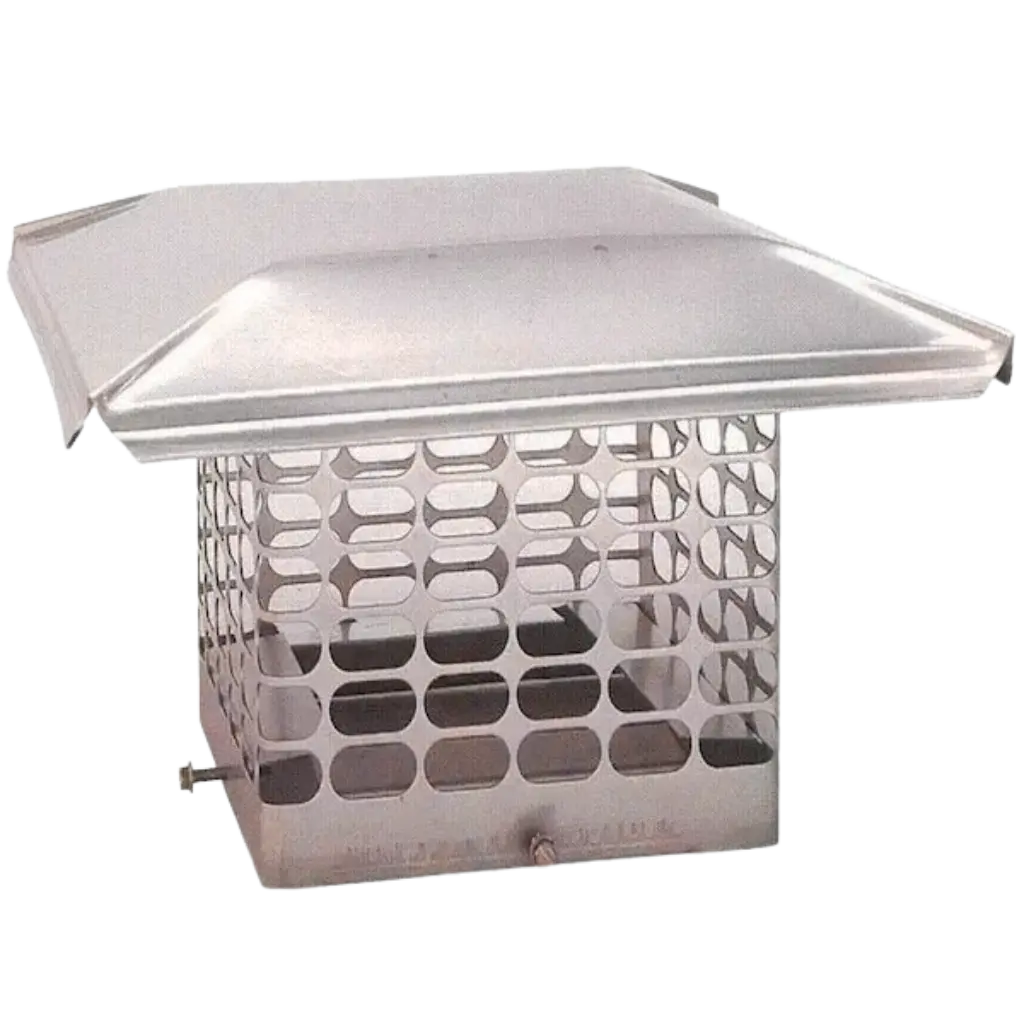
Animal guards and proper coverage help prevent nesting and debris that can restrict draft.
Flue Caps and Chimney Leaks
Not every chimney leak is caused by a missing cap—but missing caps can allow direct rain entry and create rust, odors, and interior moisture problems.
If leaks are your main concern, it’s important to confirm the true entry point. A flue cap may be part of the solution, but sometimes crown issues,
chase cover failure (on prefabs), or masonry saturation is the real driver.
Stop Guessing: Inspect First
We start with inspection before estimates so cap recommendations match your actual chimney configuration and the actual leak source.
That prevents the “replace one thing, leak returns anyway” cycle.
- Confirm whether water entry is at the cap, crown, cover, or masonry
- Recommend the most durable fix—not a band-aid
- Coordinate caps with other needed repairs if found
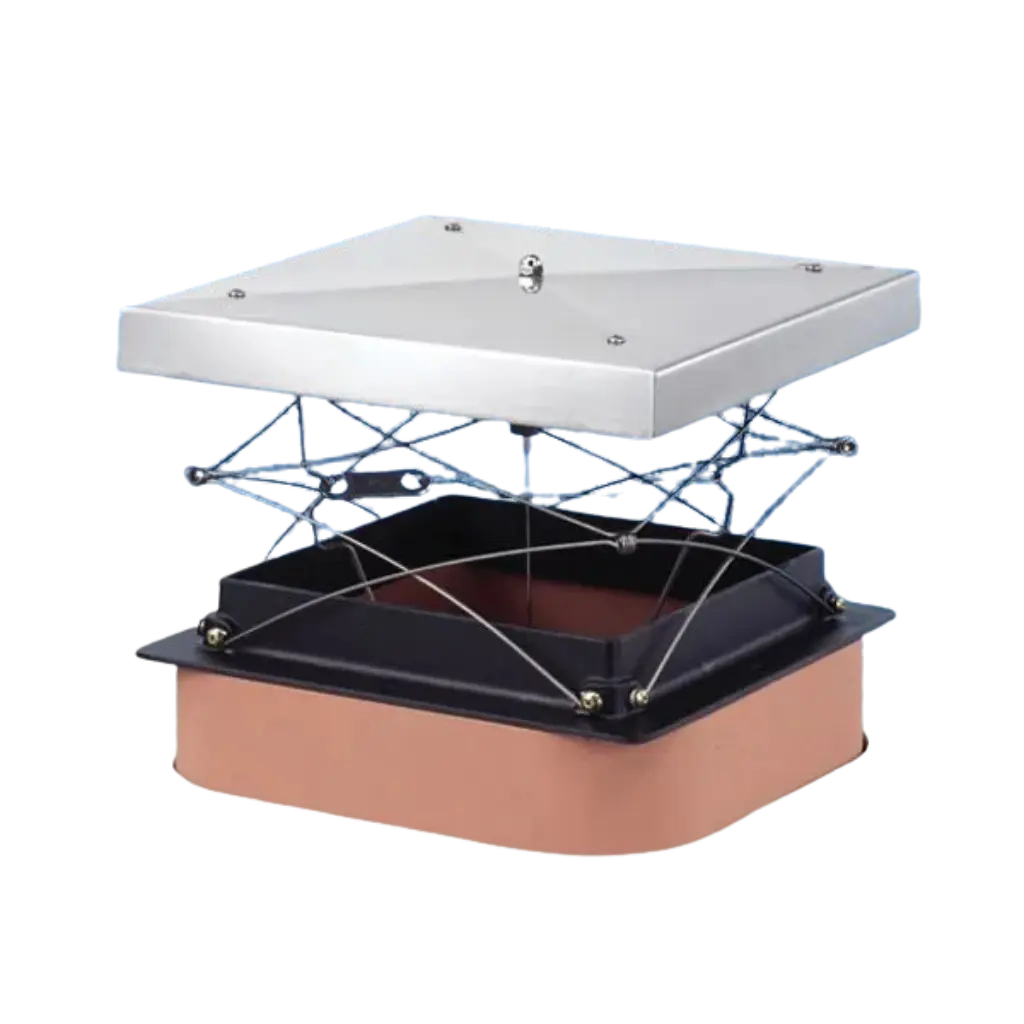
Correct cap selection starts with knowing what the flue termination looks like and what the system actually needs.
Draft and Downdraft Concerns
Some homeowners ask if a flue cap will “fix draft.” A cap can help in certain wind/downdraft situations, but draft issues can also be caused by
buildup, restrictions, moisture damage, negative pressure in the home, or configuration issues. The right approach is to identify the cause.
If you’re due for cleaning and general inspection, start at the chimney sweep hub:
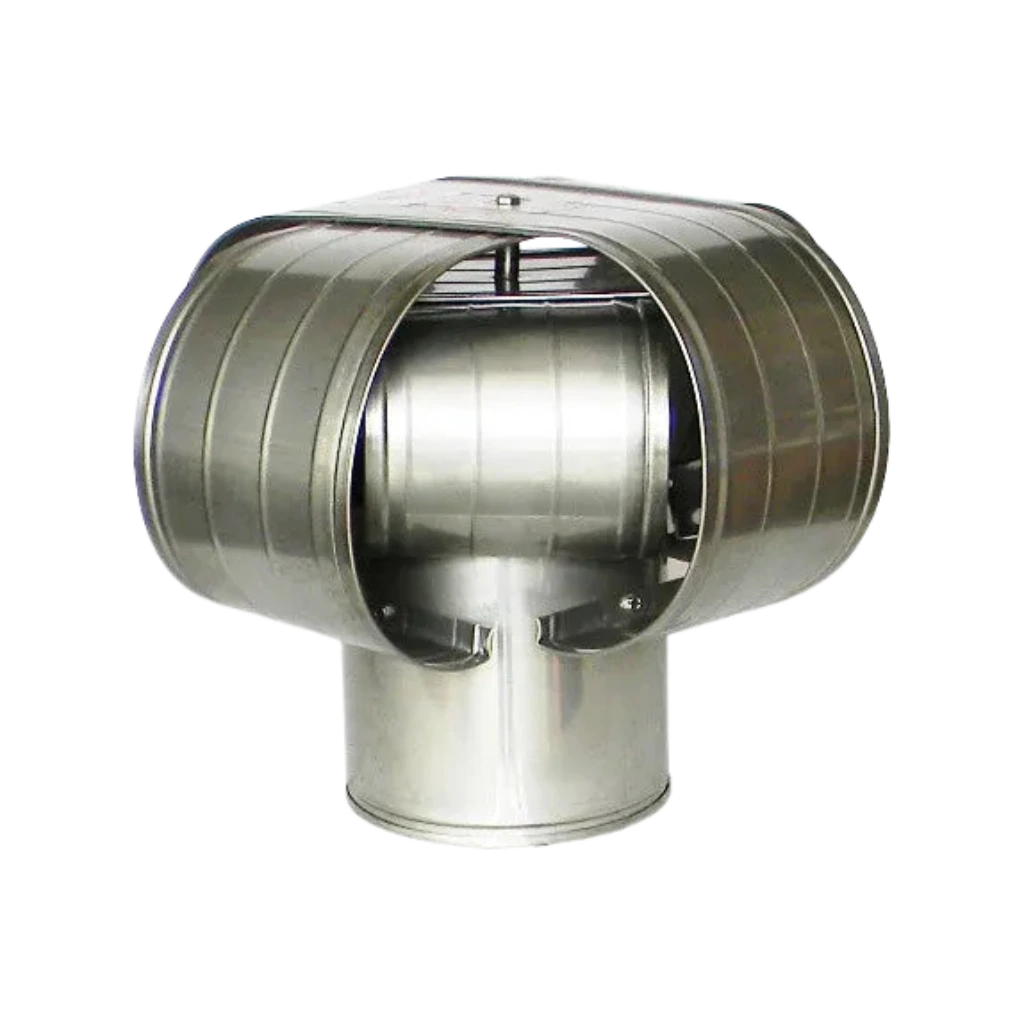
Some cap designs can help with wind-driven downdrafts, but inspection helps confirm what’s actually driving the issue.
Related Top-of-Chimney Protection
Flue caps are one piece of top-of-chimney protection. Depending on your chimney type, you may also need a chase cover, custom cap solution,
or premium material options like copper.
Chase Covers
Prefab chases often leak at the chase cover—replacement can stop repeat water intrusion.
Custom Chimney Caps
Multi-flue and unique tops often need custom coverage for the best protection and fit.
Copper Chimney Caps
Copper is a premium option for long-term durability and curb appeal.
Service Areas
Use the links below to view local service-area pages and choose the closest town page.
Don’t see your town? Call and ask.
Flue Cap FAQs
Quick answers to common questions about flue caps, leak prevention, and animal protection.
Will a flue cap stop animals from getting in?
In many cases, yes—when the cap is properly fitted and includes appropriate screening/coverage.
If animals have already nested, the system may need cleaning and inspection too.
Do flue caps fix chimney leaks?
A cap can reduce direct rain entry, but not all leaks come from the flue opening.
Crowns, chase covers, flashing, and masonry issues can also drive leaks—inspection helps identify the true source.
Do you offer free estimates?
We start with inspection before estimates so recommendations and pricing are based on actual conditions—not guesses.
How do I know what cap type I need?
Cap type depends on chimney configuration and the problem you’re trying to solve (animals, debris, water, downdrafts).
Inspection and a quick look at the termination is the fastest way to choose the right solution.
Ready to Install or Replace Flue Caps?
Call now to schedule an inspection and get clear options for flue caps and top-of-chimney protection.
You’ll get clean work, clear explanations, and workmanship that’s warranted.
Call (803) 904‑0280Request Service
Transparent pricing • Workmanship warranted • Insured service