Chimney Leaks
Chimney leaks are one of the fastest ways to turn a small issue into expensive damage. Water can stain ceilings, rot wood,
rust components, cause odors, and break down masonry over time. The frustrating part is that a “leaking chimney” is rarely a single fix—
you have to find the real entry point and solve it at the source.
Kickin Ash Chimney Pros approaches chimney leaks the right way: inspection first, clear diagnosis, and repair solutions that prevent repeat damage.
We always start with a Level 1 inspection before estimates so we’re not guessing. Then we recommend the best path—caps, chase covers, crown work,
flashing-related sealing, masonry repairs, waterproofing, or rebuilding if the structure is beyond spot repair.
Call (803) 904‑0280Request Leak Help
Level 1 inspection before estimates • Transparent pricing • All work is warranted
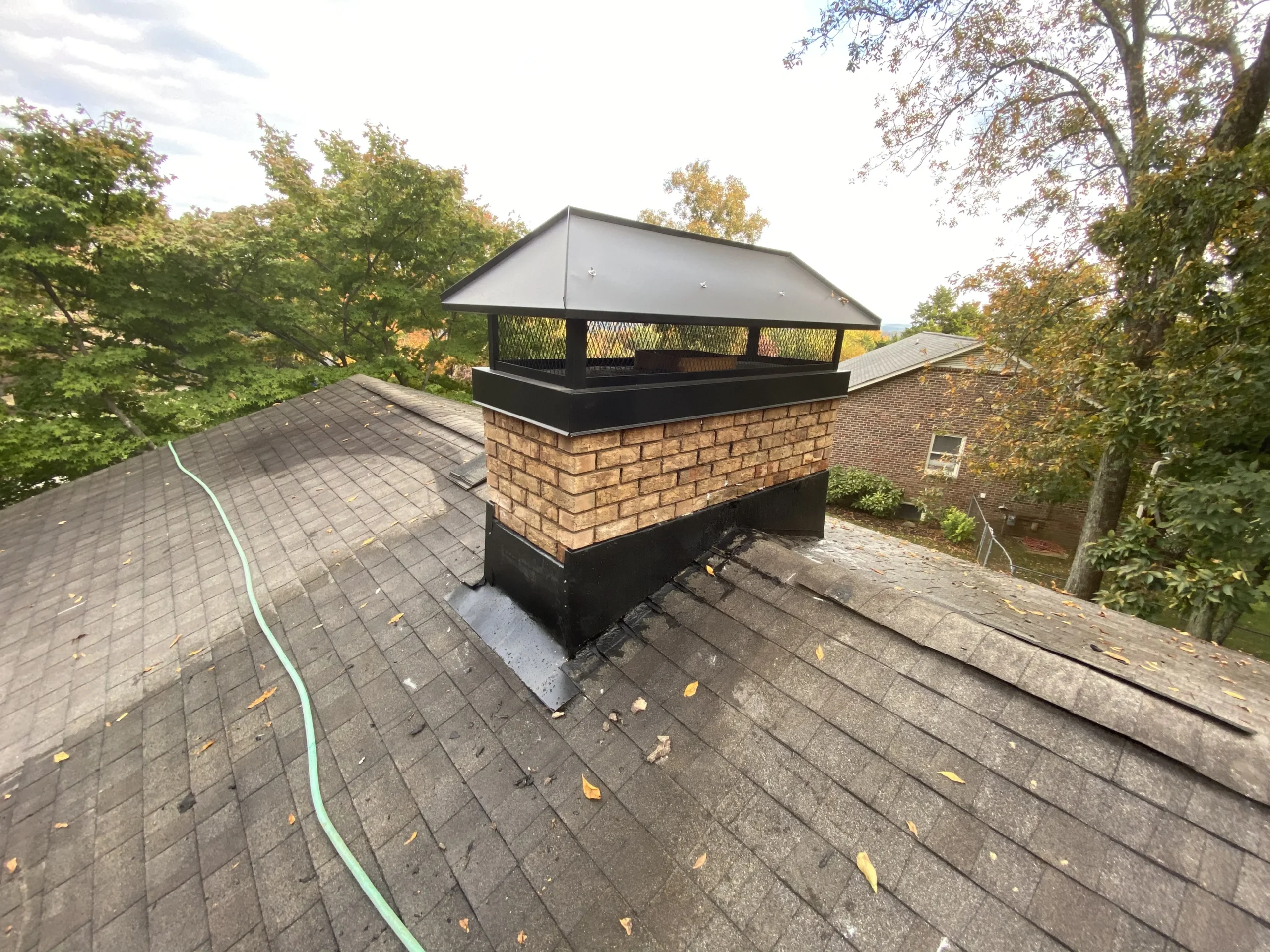
Leak problems often start at the top of the chimney—caps, crowns, chase covers, and flashing details matter.
Common Signs of Chimney Leaks
Chimney leaks don’t always show up as “water dripping.” Often, homeowners notice subtle symptoms first.
If you’re seeing any of the issues below, it’s worth scheduling an inspection before water causes deeper damage.
- Stains on ceilings or walls near the chimney
- Dampness in the firebox or water in the ash area after rain
- Musty odors, especially during humid weather
- Rusting dampers, rust stains, or corrosion on metal components
- White staining (efflorescence) or crumbling mortar/brick
- Repeating “mystery” leaks that come back after a temporary fix
Talk to a Chimney Pro
Tell us what you’re seeing—stains, odor, rust, dampness, or visible damage—and we’ll recommend the right next step.
Phone: (803) 904‑0280
Email: kickinashchimneypros@gmail.com
Why Chimney Leaks Happen (Most Common Entry Points)
Chimneys are exposed to wind, rain, sun, and temperature swings every day. Over time, small failures turn into water entry.
The most common leak sources are not “random”—they’re predictable points where water gets in when protection or masonry breaks down.
- Chimney caps and flue tops: missing caps, damaged caps, or poor fit can allow direct rain entry and debris.
- Chase covers: rusted, poorly fitted, or failed chase covers are a major leak source on prefab chases.
- Chimney crowns: cracked crowns can soak masonry and accelerate deterioration.
- Flashing details: transitions at the roofline can allow water into the structure when compromised.
- Masonry joints: failing mortar and spalling brick absorb water and break down faster with freeze/thaw cycles.
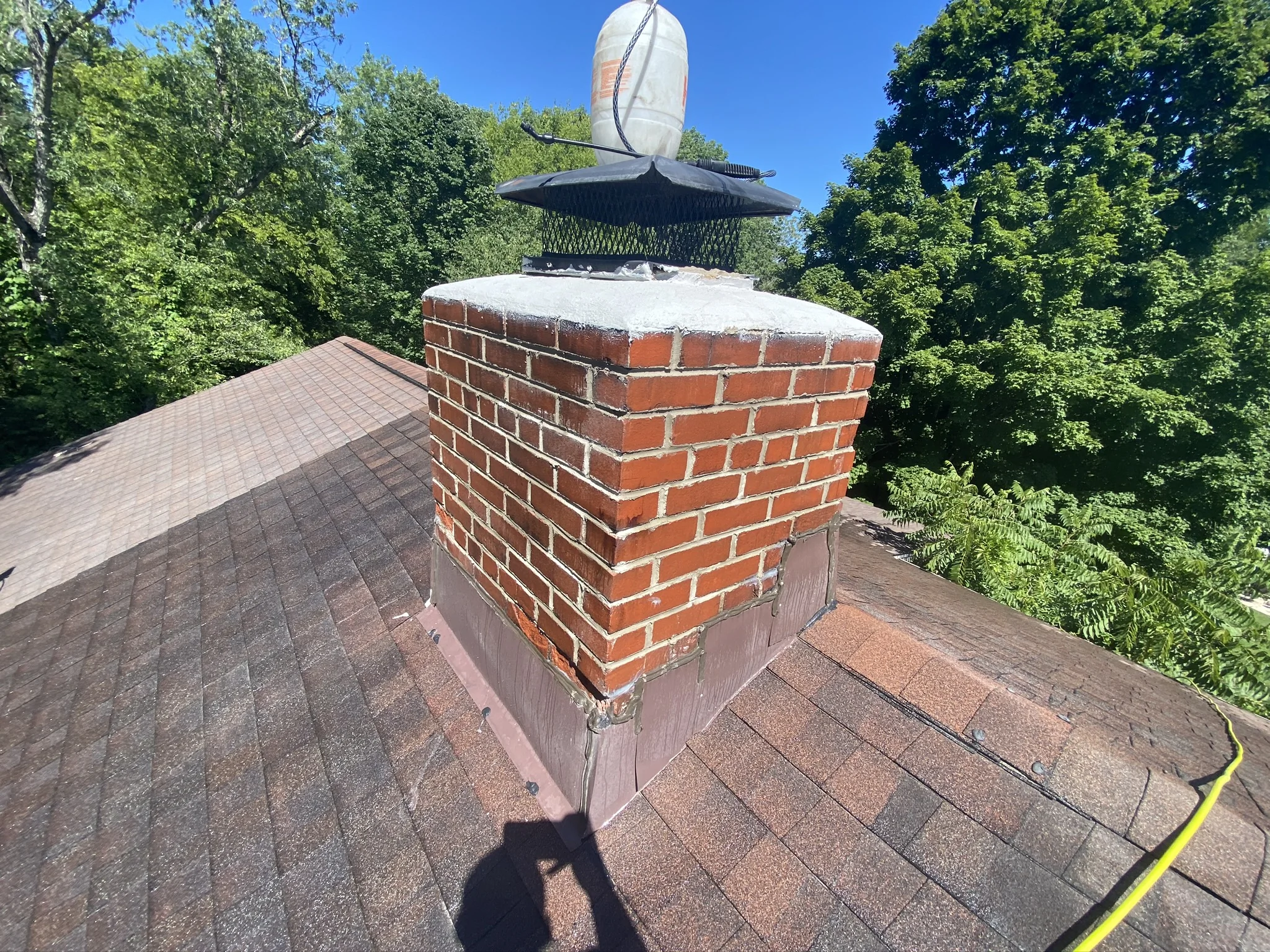
Stains and odors are often early warning signs—solving the leak early helps prevent bigger repair scope later.
Inspection First: Stop Guessing and Fix the Real Source
Chimney leak “quick fixes” fail when the true entry point isn’t identified. We always begin with a Level 1 inspection before estimates.
That lets us evaluate visible, accessible areas and recommend the most effective solution for your situation.
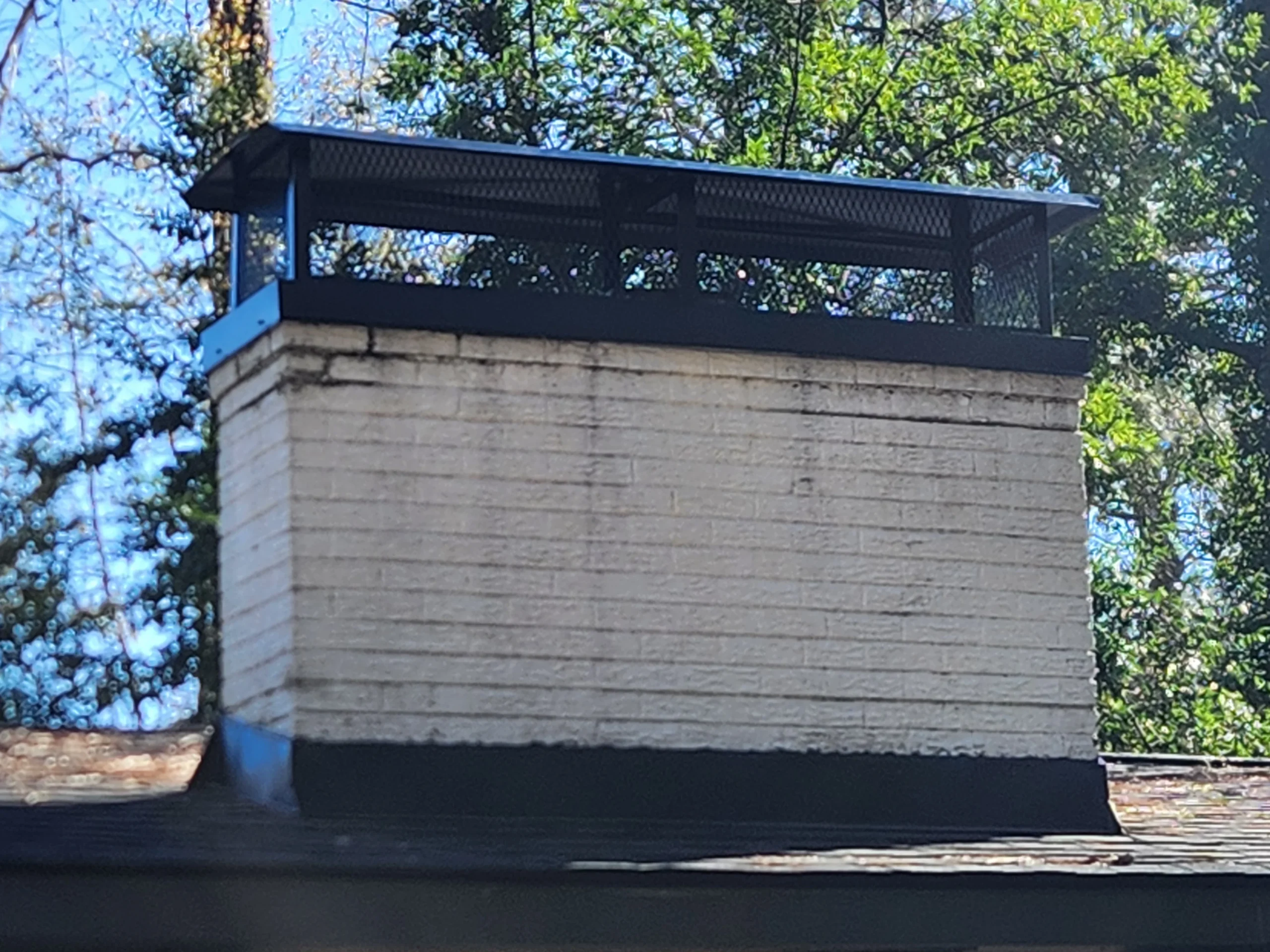
Roofline transitions are a common water entry point—details matter when diagnosing leak sources.
What We Look For
During inspection, we’re looking for the specific failure point(s) causing water entry—then building a repair plan that prevents repeat damage.
Sometimes it’s one issue. Sometimes it’s multiple small problems working together.
- Top protection condition (cap / chase cover / crown)
- Visible masonry condition and signs of saturation
- Interior signs (rust, staining, dampness, odor patterns)
- Clear recommendations: urgent vs. important vs. optional
Leak Solutions That Actually Hold Up
Chimney leak solutions depend on the source. The goal is not just to “seal a crack”—it’s to manage water where it hits the chimney,
protect vulnerable components, and restore materials that have already deteriorated.
Chimney Caps
Proper caps help reduce direct rain entry and keep debris and animals out of the flue.
Chase Covers
A failing chase cover is a major leak source on prefab chases. Replacement often stops repeat water entry.
Masonry Repairs
Deteriorated mortar and spalling brick absorb water and break down faster. Masonry repairs restore strength and durability.
Not sure which applies?
Call and describe the symptoms. We’ll recommend the right starting point based on what you’re seeing.
When Leaks Turnigger Bigger Repairs
Water damage doesn’t stay “small.” Once masonry stays wet, deterioration accelerates. If leaks have been active for a long time,
more involved repair work may be required—liners, rebuild work, or broader masonry restoration.
- Chimney liners for venting safety and performance concerns
- Chimney rebuilding when structure is beyond spot repair
- Masonry chimney repairs for deterioration and stability issues
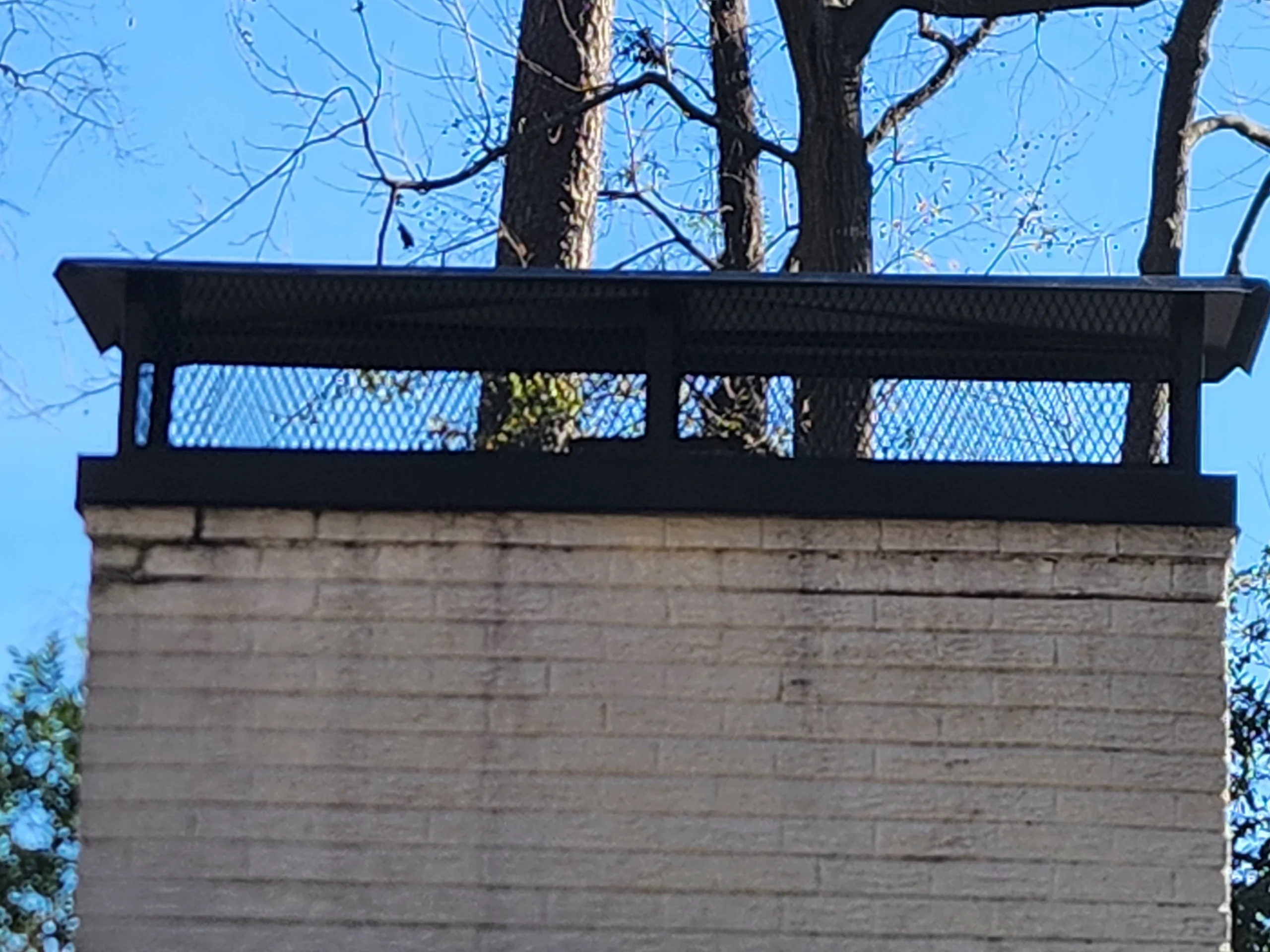
Repairing crown and masonry issues helps prevent repeat water absorption and long-term breakdown.
Service Areas
Use the links below to view local service-area pages and choose the closest town page.
Don’t see your town? Call and ask.
Chimney Leak FAQs
Quick answers to common questions about chimney leaks and water damage.
Can I just seal the chimney and be done?
Sometimes sealing is part of the solution, but “seal everything” rarely works if the true entry point isn’t identified.
The right fix depends on whether the source is the cap, chase cover, crown, flashing detail, or masonry condition.
Why do chimney leaks keep coming back?
Leaks often return when repairs address the symptom but not the source—or when multiple small entry points exist.
Inspection-based diagnosis is the fastest way to stop repeat water damage.
Do you offer free estimates?
We always start with a Level 1 inspection first. That way recommendations and pricing are based on what’s actually there—not guesses.
Is water damage a safety issue?
Water can accelerate deterioration and lead to structural issues, rusted components, and performance problems.
The longer it continues, the more likely repairs become more involved.
Ready to Stop a Chimney Leak?
Call now to schedule an inspection and get a clear plan to stop water intrusion and prevent repeat damage.
You’ll get clean work, clear answers, and workmanship that’s warranted.
Call (803) 904‑0280Request Service
Transparent pricing • Workmanship warranted • Insured service