Masonry Chimney Repairs
Masonry chimney repairs restore safety, stability, and long-term durability when mortar joints fail, brick begins to spall,
or water damage starts breaking the chimney down. The key is fixing the cause—not just patching the symptom—so the chimney
doesn’t keep deteriorating season after season.
Kickin Ash Chimney Pros provides inspection-based masonry chimney repairs with clear recommendations and clean work practices.
We always start with an inspection before estimates so we’re not guessing about scope. You’ll get straightforward options,
transparent pricing, and workmanship that’s warranted.
Call (803) 904‑0280Request an Inspection
Inspection before estimates • Repair options explained clearly • All work is warranted
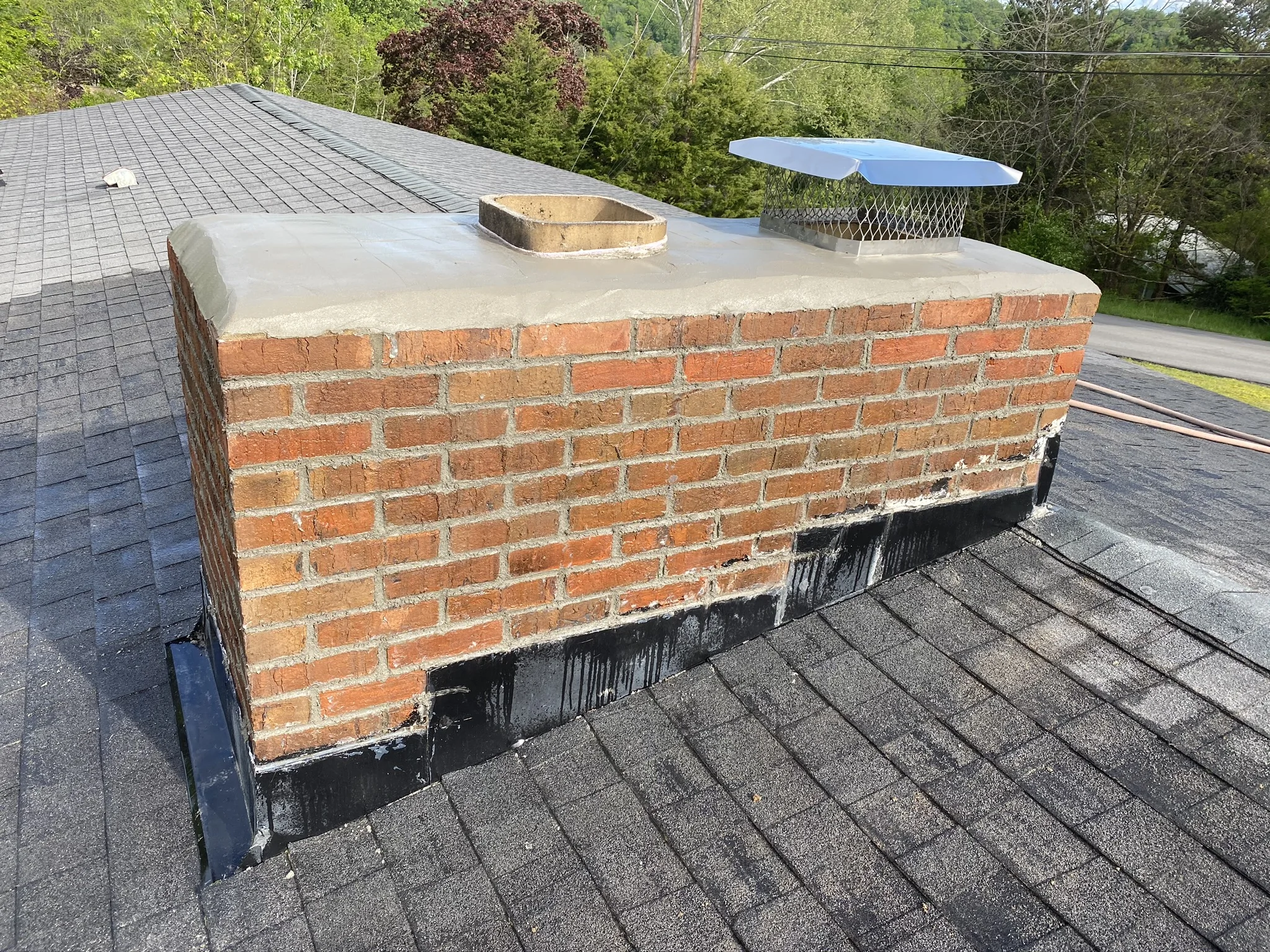
Masonry repairs done early often prevent bigger rebuilding scope later.
What Masonry Chimney Repairs Address
Masonry failures usually start small, then accelerate once water gets in. Mortar joints soften, brick faces pop (spalling),
crowns crack, and the chimney begins absorbing more water—causing repeat leaks and long-term deterioration.
Repairs are planned around stability and water management, not just cosmetics.
- Failing mortar joints that allow water entry and reduce structural strength
- Spalling brick where the face of the brick breaks down from saturation and freeze/thaw cycles
- Loose masonry that creates safety concerns and instability
- Crown-related damage that accelerates saturation and deterioration
- Leak-driven breakdown where water is repeatedly entering at predictable points
Talk to a Chimney Pro
Tell us what you’re seeing—crumbling mortar, stains, loose brick, rust, or repeating leaks—and we’ll recommend the right next step.
Phone: (803) 904‑0280
Email: kickinashchimneypros@gmail.com
Why Masonry Chimneys Deteriorate (Water Is the Multiplier)
Most masonry chimney damage is water-driven. Once water repeatedly saturates brick and mortar, it speeds up deterioration and creates a cycle:
the chimney absorbs more water, which causes more damage, which opens more pathways for water entry.
That’s why durable repairs usually include water management—caps, chase covers (for prefab chases), crown work, and leak-source diagnosis.
If you suspect active water entry, start with our leak page so you can see common sources and solutions.
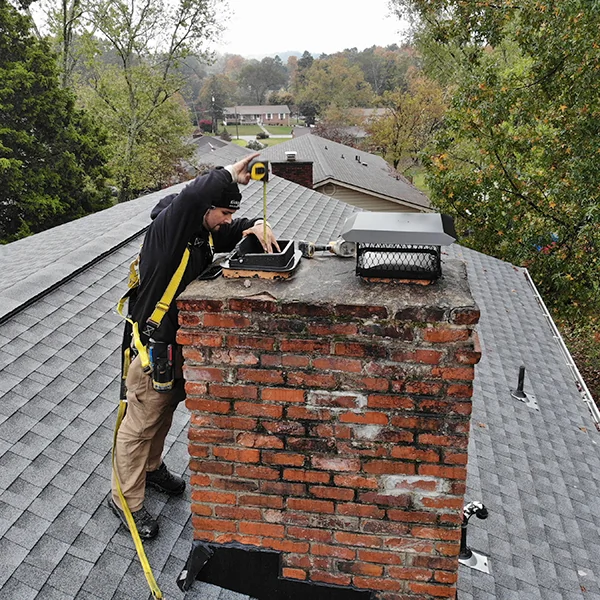
Spalling is often the result of repeated saturation—stopping water entry helps prevent repeat failure.
Inspection First: Clear Scope, Clear Options
Masonry chimney repairs can range from localized joint work to partial rebuild sections. We start with inspection before estimates
so we can confirm stability, identify active leak sources, and recommend the repair scope that makes sense for safety and longevity.
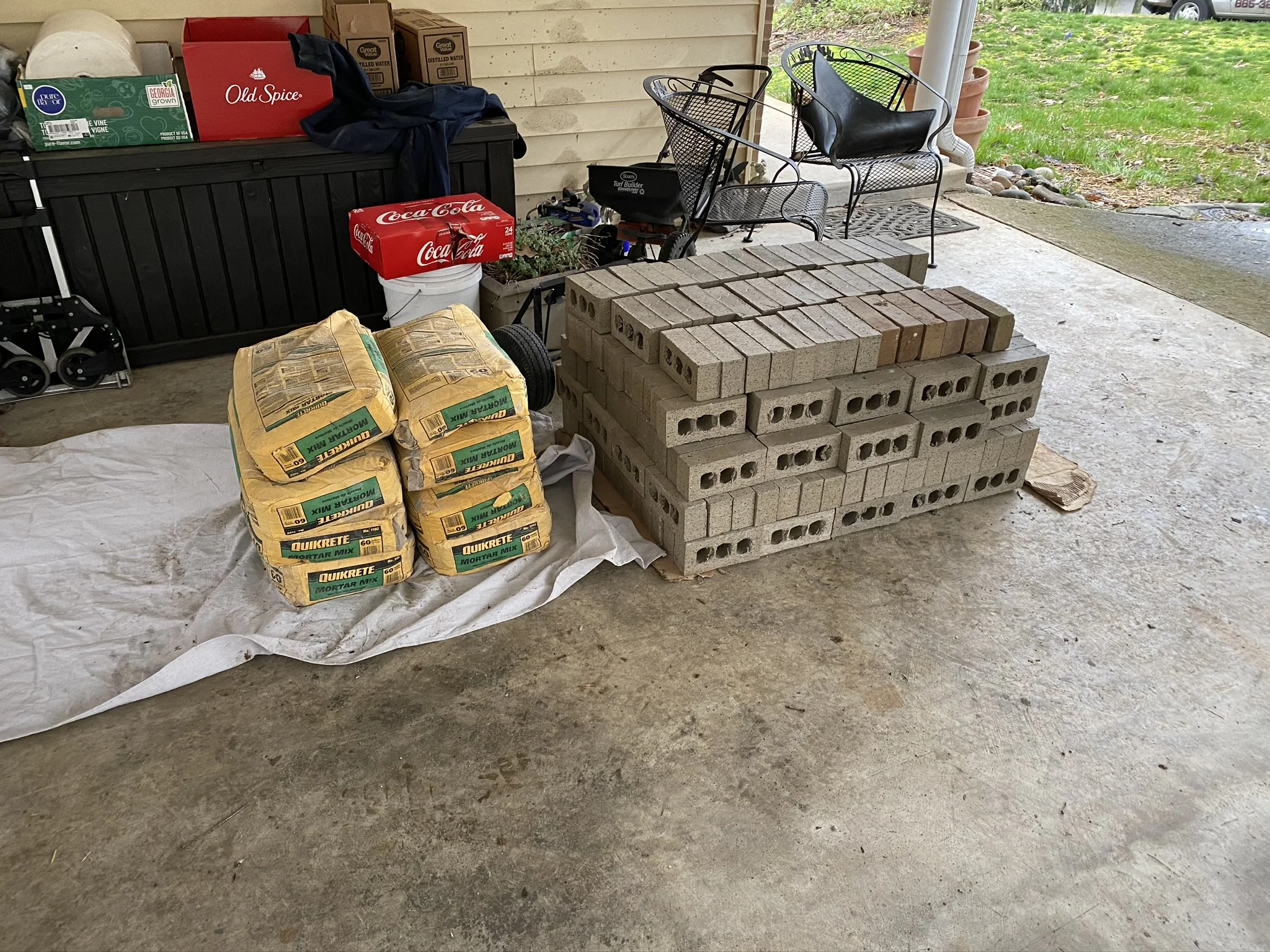
Tuckpointing restores mortar joints and helps strengthen masonry where joints are failing.
What We Look For
The goal is a repair plan that holds up. That means evaluating not only what’s damaged, but why it’s damaged.
- Mortar joint condition (soft, missing, cracking, separation)
- Brick/stone condition (spalling, movement, instability)
- Crown and top condition (cracks, failure points, saturation patterns)
- Signs of active water entry and repeat leak paths
- Whether spot repair is enough or rebuilding is the safer option
Chimney Crowns, Caps, and Top Protection
The top of the chimney is the most exposed area, and it’s one of the most common places water enters. A cracked crown can soak the masonry below it.
Missing or failing caps allow direct rain entry and debris. On prefab chases, chase covers are a frequent leak source.
When repairs are planned, top-of-chimney protection is often part of making the repair last.
If you want to review cap and chase cover options, visit our chimney caps hub.
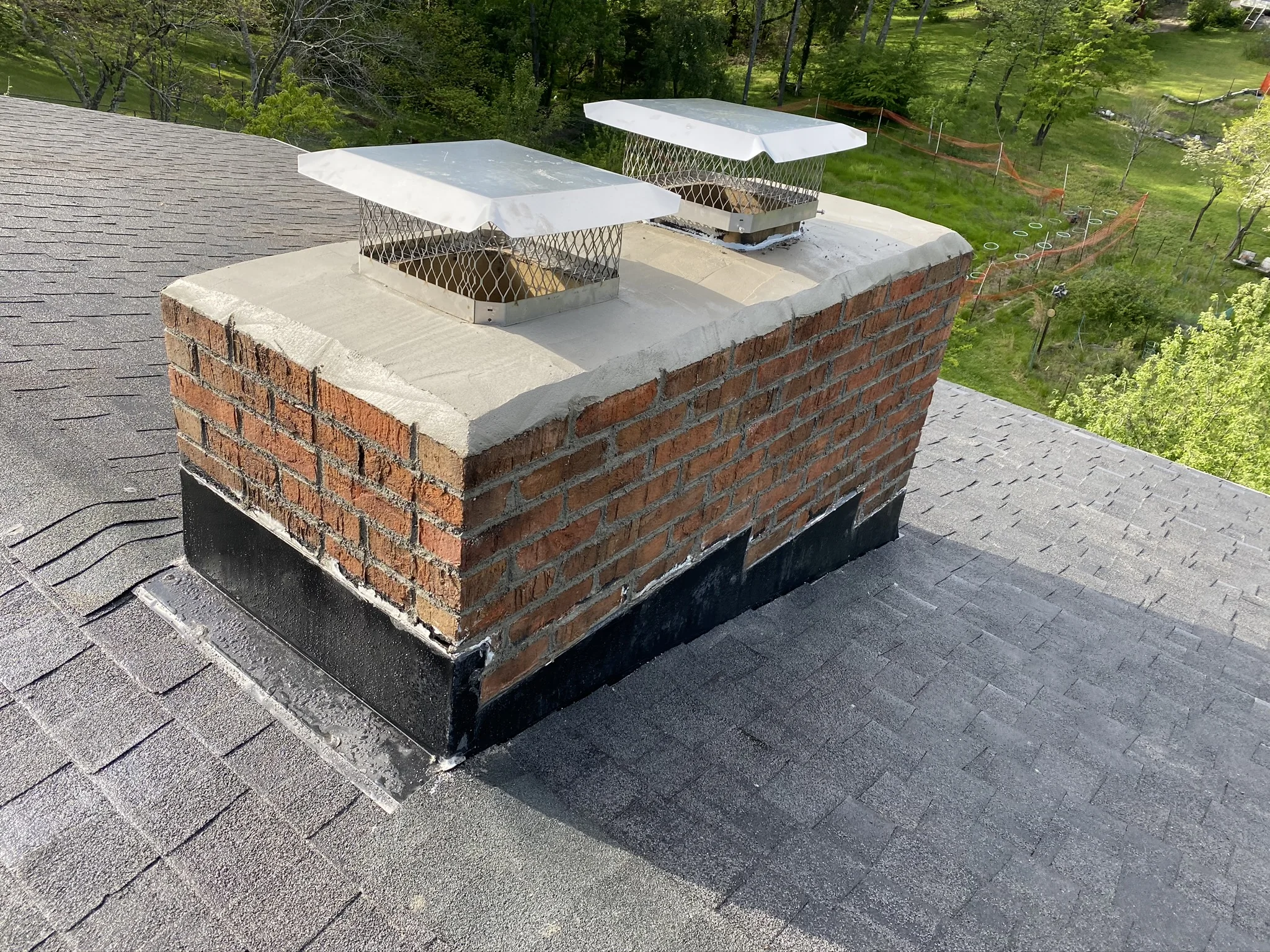
Crown failures often drive saturation—addressing top protection helps prevent repeat masonry deterioration.
When Repairs Become Rebuilding
If the chimney is unstable or deterioration is widespread, rebuilding may be the safest option. Rebuilding restores stability and creates
the opportunity to correct water management issues so the new work lasts.
If you’ve been told you need rebuilding—or you suspect the chimney is beyond repair—review the rebuilding page:
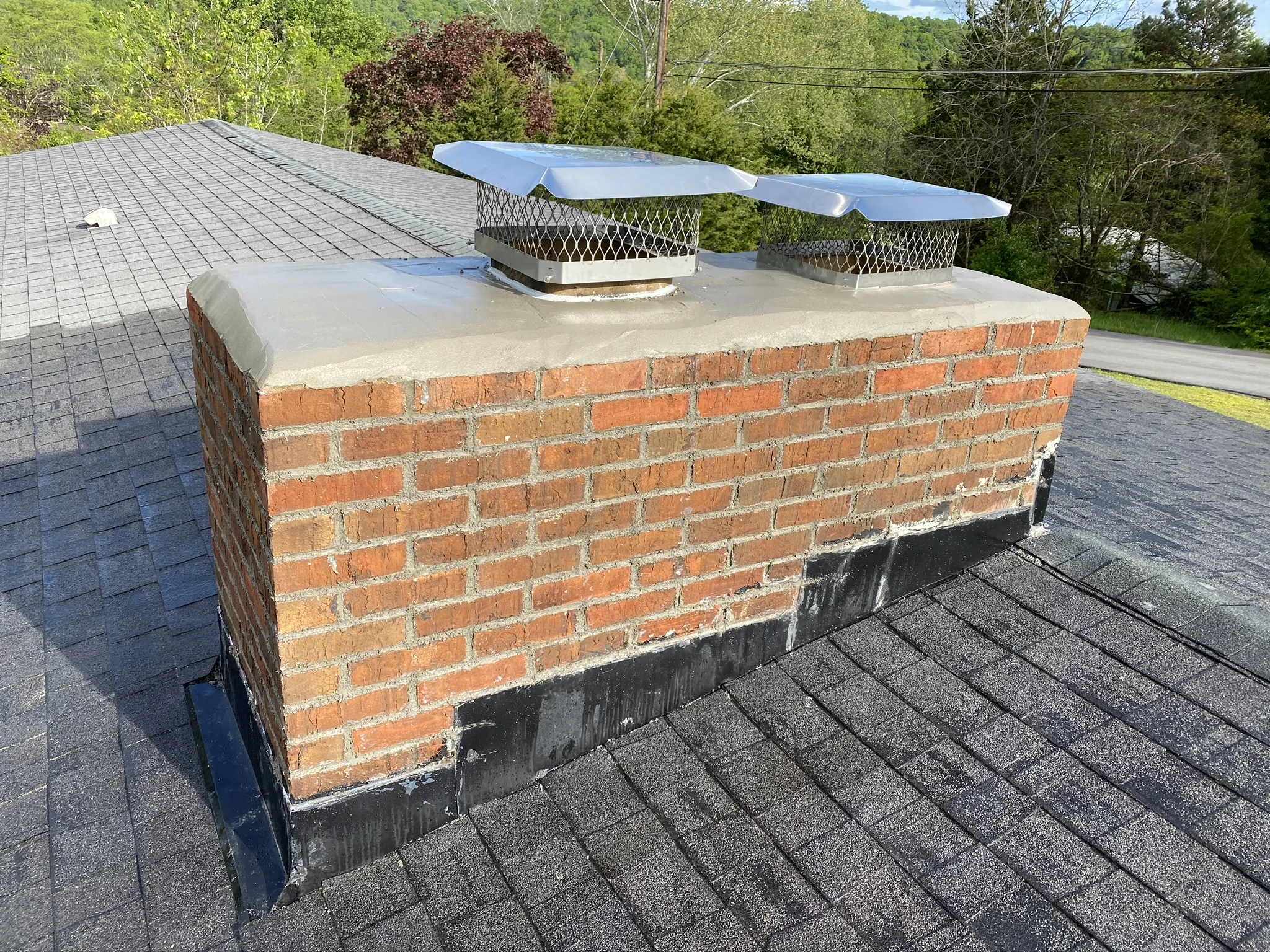
When stability is compromised, rebuilding can be the most durable long-term fix.
How Masonry Repairs Connect to Draft and Safety
Structural condition affects more than appearance. Deterioration can create pathways for water, debris, and restriction issues that impact draft.
If you’re also due for routine maintenance, cleaning and inspection can provide a baseline before and after repair decisions.
Liner Questions?
If venting performance or safety concerns are part of the issue, liner condition may also need evaluation.
Service Areas
Use the links below to view local service-area pages and choose the closest town page.
Don’t see your town? Call and ask.
Masonry Chimney Repair FAQs
Quick answers to common questions about masonry deterioration, leak-driven damage, and repair planning.
Is tuckpointing always enough?
Not always. If damage is localized and the chimney is stable, tuckpointing may be appropriate.
If deterioration is widespread or stability is compromised, rebuilding may be the safer option.
Why is my brick flaking or popping?
That’s often spalling, usually caused by repeated saturation and freeze/thaw cycles.
Stopping water entry and repairing damaged masonry helps prevent repeat failure.
Do you offer free estimates?
We start with an inspection before estimates so recommendations and pricing are based on the actual condition—not guesses.
Can caps and chase covers help prevent masonry damage?
Yes. Top-of-chimney protection is a major part of water management, and it can help prevent repeat saturation that breaks masonry down over time.
Ready to Schedule Masonry Chimney Repairs?
Call now to schedule an inspection and get a clear repair plan with options, scope, and transparent pricing.
You’ll get clean work, clear explanations, and workmanship that’s warranted.
Call (803) 904‑0280Request Service
Transparent pricing • Workmanship warranted • Insured service