Wood Burning Stoves – SC Wood Stove Sales and Installation
Wood burning stoves can deliver efficient, steady heat—often far better than an open fireplace—when they’re installed and vented correctly.
But performance and safety depend on the entire system: stove selection, clearances, hearth protection, venting design, and chimney condition.
The best stove in the world won’t burn right if draft is weak or venting is mismatched.
Kickin Ash Chimney Pros helps homeowners plan wood stove installs and upgrades with an inspection-first approach and clear explanations.
We focus on safe, code-aware venting plans and real-world performance—not shortcuts. You’ll get straightforward options, transparent pricing,
and workmanship that’s warranted.
Call (803) 904‑0280Request Service
Inspection before estimates • Clear recommendations • All work is warranted
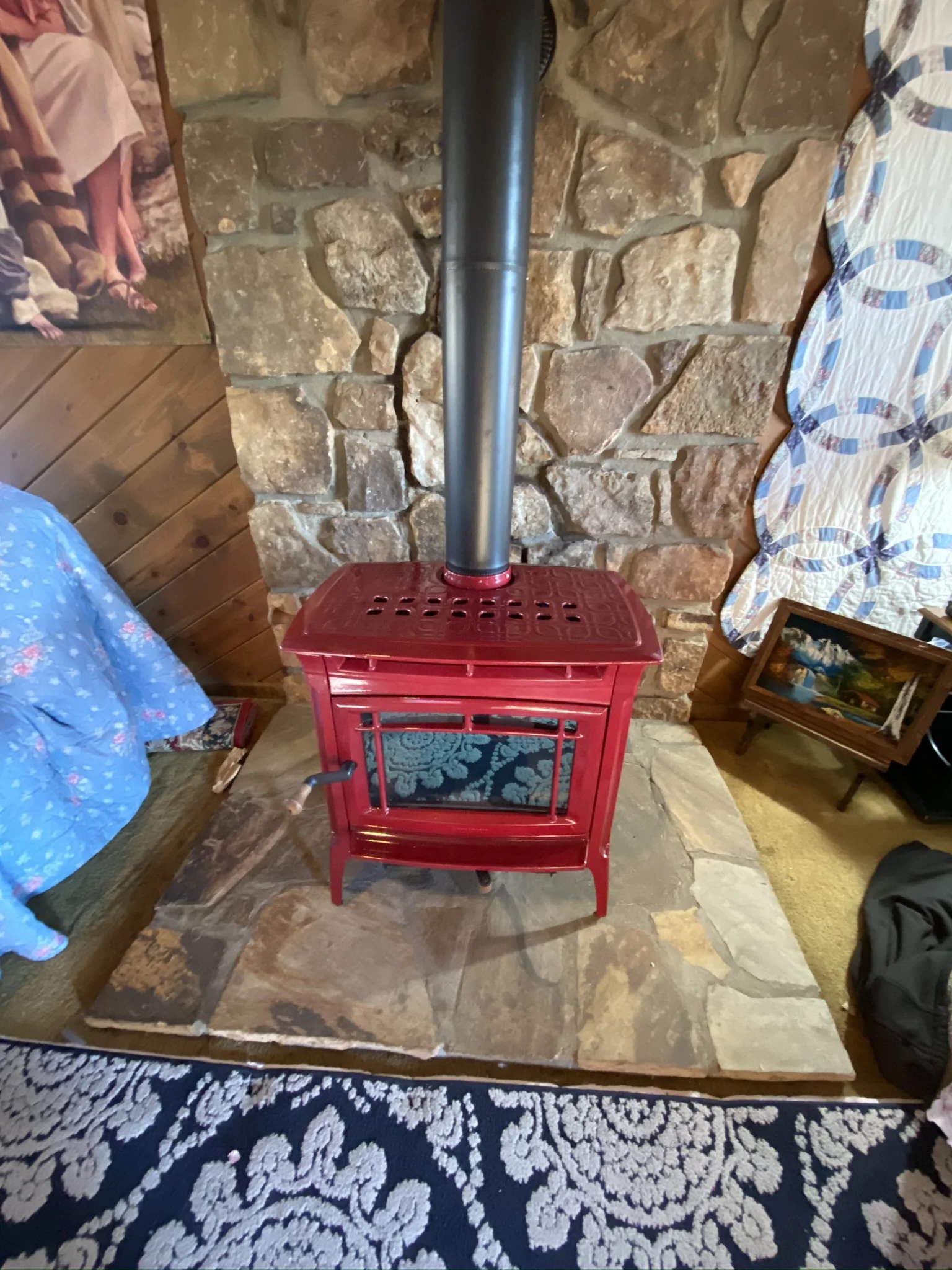
Efficient heat starts with the right stove and the right venting plan.
Why Homeowners Choose Wood Burning Stoves
A properly installed wood stove can provide consistent heat, strong output, and better control compared to an open fireplace.
Many homeowners choose a stove because they want warmth they can actually feel—not just the look of flames.
- Efficient heat output that warms the home more effectively
- Better control over burn rate and comfort
- Reliable winter use when configured and vented correctly
- Upgrade path for fireplaces that don’t heat well
- Strong performance with the right wood, burn habits, and maintenance
Talk to a Chimney Pro
Thinking about a stove install or upgrade? Tell us your goals (more heat, backup heat, replacing an older unit) and we’ll recommend the right next step.
Phone: (803) 904‑0280
Email: kickinashchimneypros@gmail.com
Wood Stove Installs Start With the Venting Plan
Wood stoves are venting systems. Safe performance depends on draft and a venting pathway that matches the appliance.
That’s why we take an inspection-first approach before estimates—so recommendations are grounded in your actual setup.
In many installs or upgrades, venting planning includes evaluating the chimney system, condition, and whether liner work is needed.
If liner condition or venting safety is part of your situation, review:
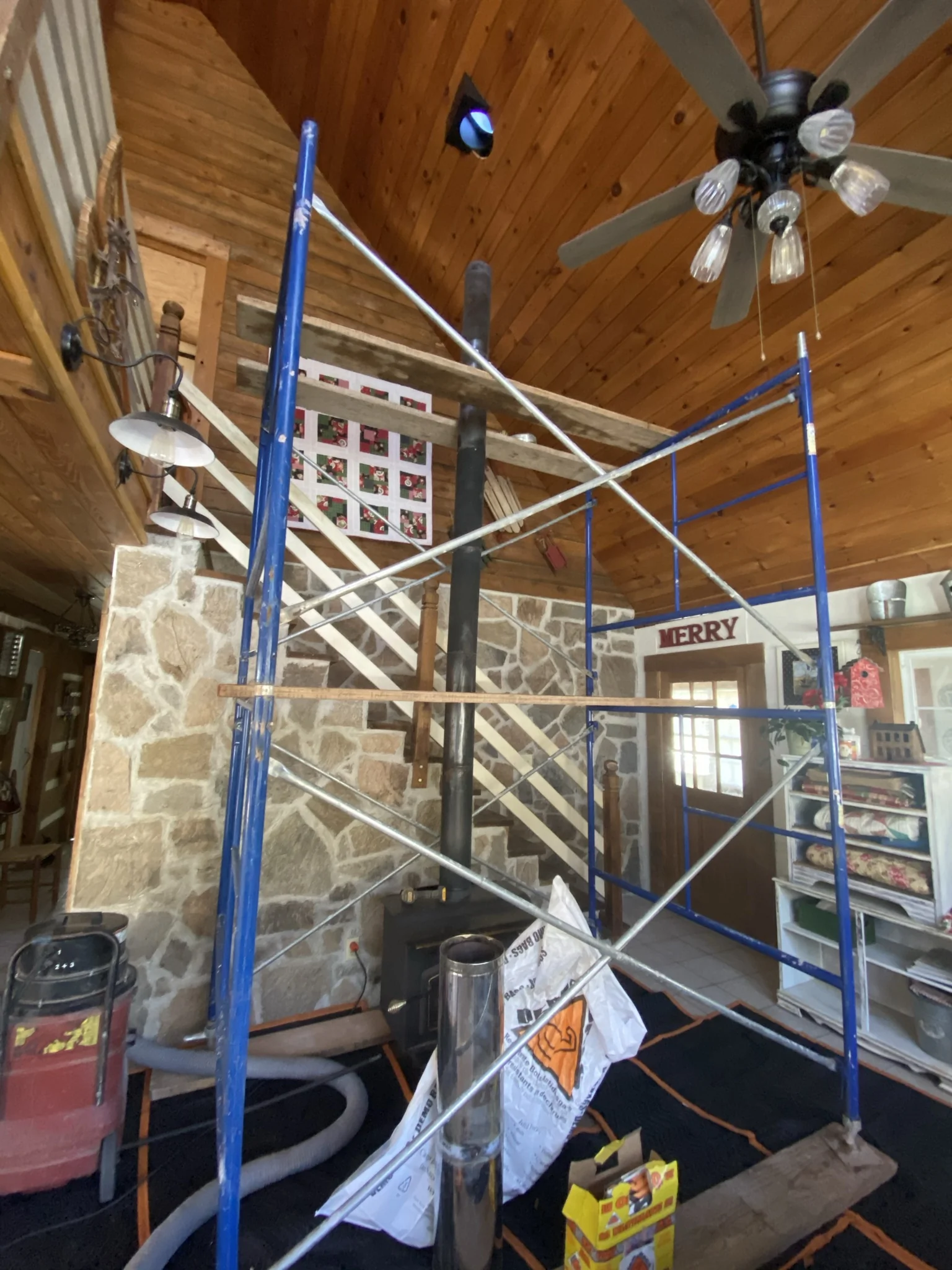
Venting and draft planning are the foundation of a stove that burns cleanly and reliably.
Clearances and Hearth Protection
A wood stove install must respect clearances and hearth protection requirements. The goal is safe use, long-term durability,
and an install you don’t have to worry about. Planning includes the space, layout, and how the stove will be used day-to-day.
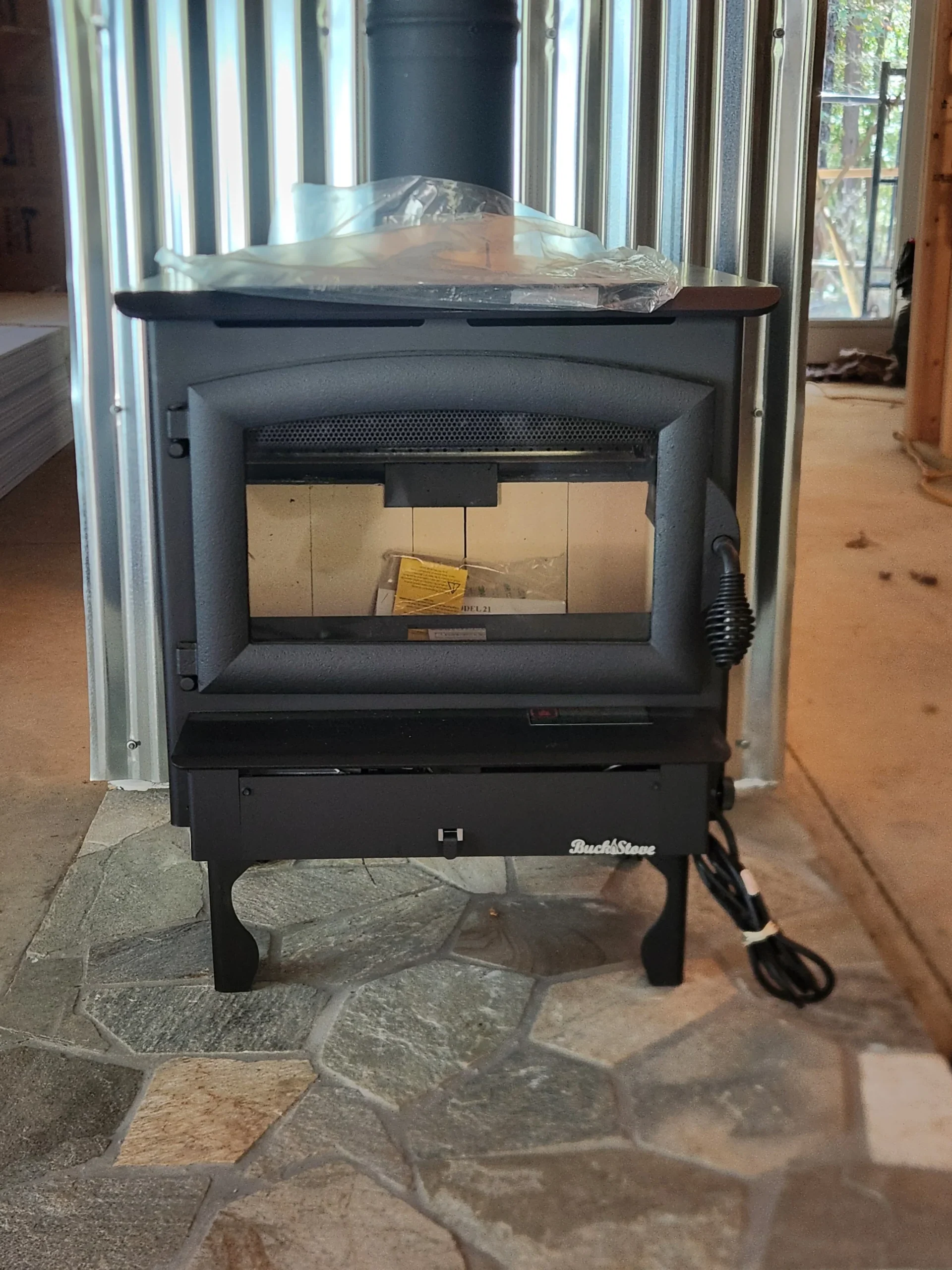
Clearances and hearth protection are part of safe, code-aware installs.
What We Consider
Every home is different. Install planning should consider safety, performance, and how you actually live in the space.
- Space layout and stove placement goals
- Venting pathway and draft reliability
- Clearances and hearth requirements
- Existing chimney condition and needed repairs
- Long-term maintenance access and serviceability
Draft, Performance, and “Burning Right”
A stove that drafts well is easier to start, easier to control, and burns cleaner. If draft is weak, you can see smoky starts,
sluggish burns, and strong odors. That’s why venting design, condition, and maintenance matter so much.
If you already have a stove and want to keep it running safely, maintenance matters:
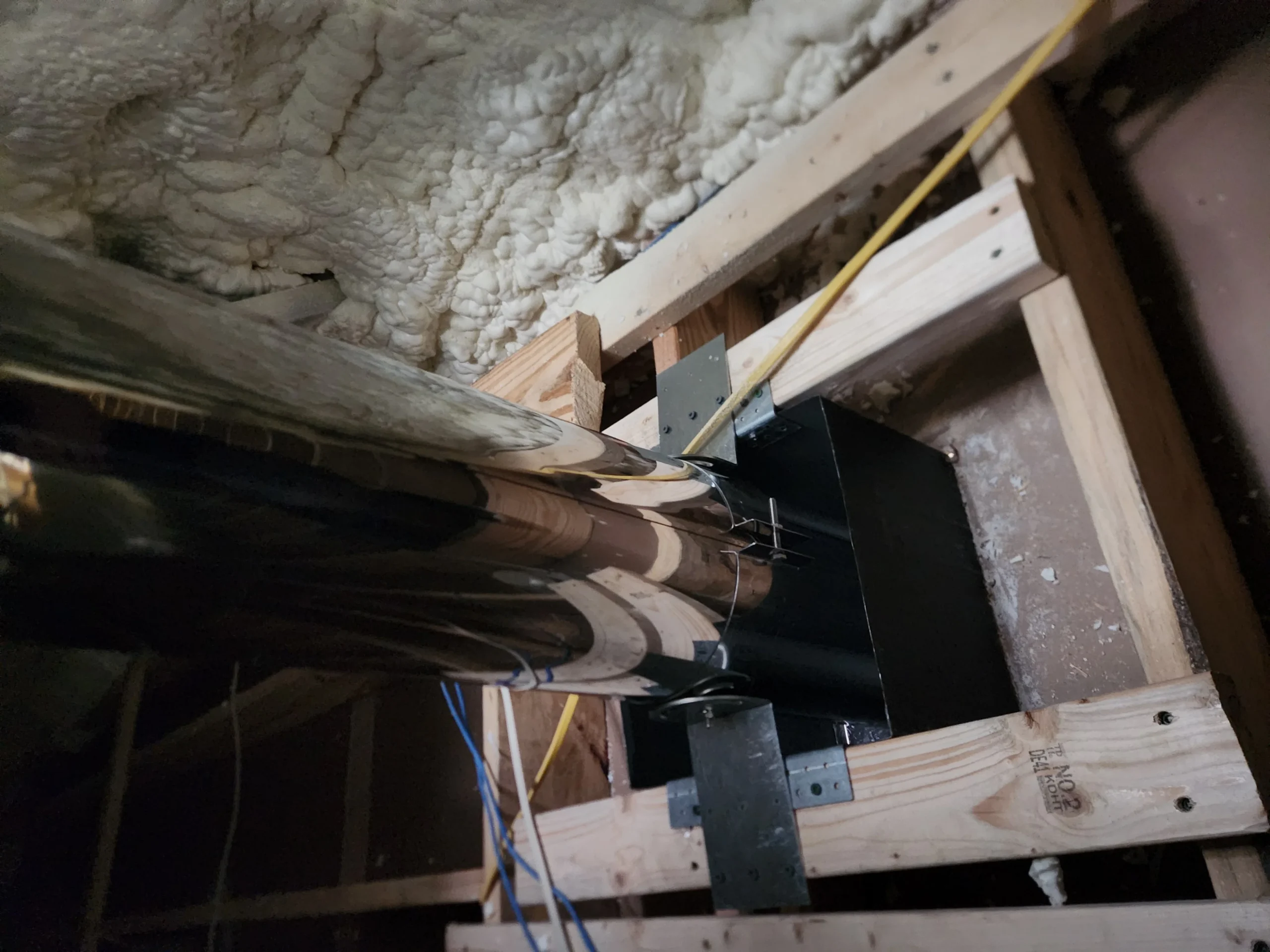
Draft performance is the difference between a stove you love and a stove you fight all winter.
Water, Leaks, and Long-Term Protection
Water intrusion can accelerate deterioration in venting and chimney components. If stains, odors, rust, or dampness are part of your situation,
stopping the leak source may be part of the best long-term plan—especially before investing in upgrades.
Start here if leaks are suspected:
Prefer the Hub?
If you want the big-picture view of fireplace options and services, start at the fireplaces hub.
Compare Options: Inserts vs. Gas Logs vs. Wood Stoves
If you’re comparing upgrades, it helps to be clear about your priority. Wood stoves often deliver strong heat output.
Inserts can improve efficiency while keeping a fireplace footprint. Gas logs are often about convenience and quick fires.
Fireplace Inserts
Great for better control and heat while upgrading an existing fireplace opening.
Chimney Safety Baseline
If you’re due for inspection or cleaning, start here before upgrades:
Service Areas
Use the links below to view local service-area pages and choose the closest town page.
Don’t see your town? Call and ask.
Wood Stove FAQs
Quick answers to common questions about wood burning stoves, installs, and safe performance.
Do wood stoves need cleaning and inspection?
Yes. Wood-burning systems produce creosote and soot that should be monitored and removed as needed. Annual inspection is a strong baseline for safety.
Why is venting so important?
Venting drives draft. If draft is weak or the venting path is mismatched, performance suffers and smoke issues can show up.
Correct planning is the foundation of safe, reliable operation.
Do you offer free estimates?
We start with inspection before estimates so recommendations and pricing are based on actual conditions—not guesses.
What if leaks or water damage are present?
Water issues should be solved at the source to prevent repeat deterioration. Caps, covers, and leak diagnosis are often part of the plan.
Ready to Talk About Wood Burning Stoves?
Call now to schedule an inspection and get clear options for wood stove installs, upgrades, and venting planning.
You’ll get straightforward recommendations, transparent pricing, and workmanship that’s warranted.
Call (803) 904‑0280Request Service
Transparent pricing • Workmanship warranted • Insured service